Lorem ipsum dolor sit amet, consectetur adipiscing elit. Ut elit tellus, luctus nec ullamcorper mattis, pulvinar dapibus leo.
Does your dog growl when you approach their food bowl, stiffen when someone gets near their favorite toy, or snap when you try to move them from the couch? Resource guarding can make ordinary interactions stressful, especially when you’re unsure whether your dog will react or how to handle the situation safely.
WC Dog Training provides resource guarding training throughout Eastern NC for dogs that become defensive around food, toys, resting areas, people, or other valued resources. We look at what your dog is guarding, when the behavior happens, and how they respond when someone approaches. Rather than simply trying to stop the growling or take control of the resource, we work to understand what’s driving the behavior and develop a training plan around your dog’s individual needs.


 Trustindex verifies that the original source of the review is Google.
 Trustindex verifies that the original source of the review is Google.
 Trustindex verifies that the original source of the review is Google.
 Trustindex verifies that the original source of the review is Google.
 Trustindex verifies that the original source of the review is Google.
 Trustindex verifies that the original source of the review is Google.
 Trustindex verifies that the original source of the review is Google.
 Trustindex verifies that the original source of the review is Google.
 Trustindex verifies that the original source of the review is Google.
 Trustindex verifies that the original source of the review is Google.

Food Guarding Behavior Modification – Some dogs become tense, growl, eat faster, or snap when someone approaches their food bowl or a high-value treat. These behaviors can indicate that your dog feels threatened by the possibility of losing something important. We assess how your dog responds around food and develop an approach that addresses the guarding behavior without creating unnecessary conflict.
Training for Toy and Object Guarding – Resource guarding isn’t limited to food. Dogs may become defensive over toys, chews, stolen household items, or objects they’ve picked up during a walk. We look at which items trigger the behavior, how your dog reacts when someone approaches, and what happens when an owner tries to retrieve something. Training focuses on safer interactions and teaching more appropriate responses.
Support for Space and Resting Area Guarding – A dog may guard their bed, crate, couch, or a particular area of the home. They might growl when someone approaches, refuse to move, or become defensive when asked to leave a resting spot. We evaluate the circumstances surrounding the behavior and help owners manage these situations while working toward better communication and more appropriate responses.
Owner Education for Safer Interactions – How you respond to guarding behavior matters. Reaching for an item, confronting your dog, or punishing a warning can make the situation more difficult. We’ll help you recognize early signs of guarding, understand when to give your dog space, and develop safer ways to handle everyday situations involving valued resources.
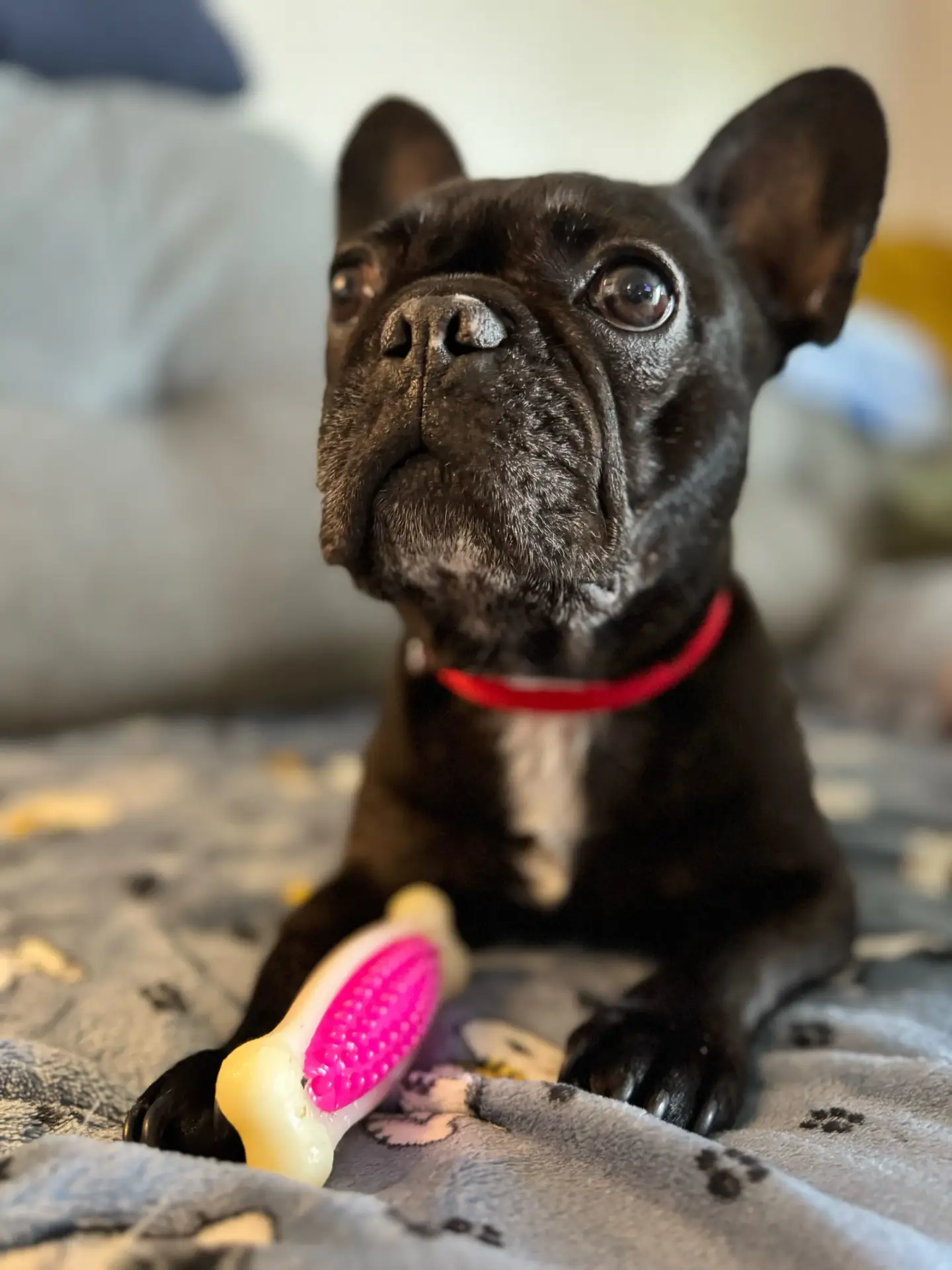
Different Resources Can Trigger Reactions
Body Language Often Changes Before a Growl
Some dogs become more defensive when people repeatedly remove items, approach them while eating, or force them away from valued spaces. Others may show guarding behavior without an obvious history of conflict. We consider your dog’s experiences, environment, and current behavior rather than assuming one explanation fits every case.
Not every dog that prefers to eat undisturbed has a serious behavior problem. However, resource guarding deserves attention when your dog becomes defensive, threatens to bite, or makes it difficult for people or other animals to move safely around the home. Waiting until a bite occurs can put everyone at unnecessary risk.
Professional resource guarding training may be appropriate if your dog:
When resource guarding includes snapping, biting, or other threatening behavior, aggressive dog training may also help address the safety concerns involved. We assess the behavior carefully and help you determine which management and training strategies fit your dog.
When a dog growls over a toy or food bowl, an owner’s first instinct may be to take the item away to show that guarding isn’t acceptable. But repeatedly removing valued resources can reinforce the dog’s concern that someone approaching means they’re about to lose something. For some dogs, this can make defensive behavior more likely.
Punishing growling can create a different problem. Growling often warns that your dog is uncomfortable, and suppressing that warning doesn’t necessarily change how they feel. We focus on understanding the response, preventing unnecessary confrontations, and teaching safer interactions rather than encouraging owners to challenge their dogs over resources.
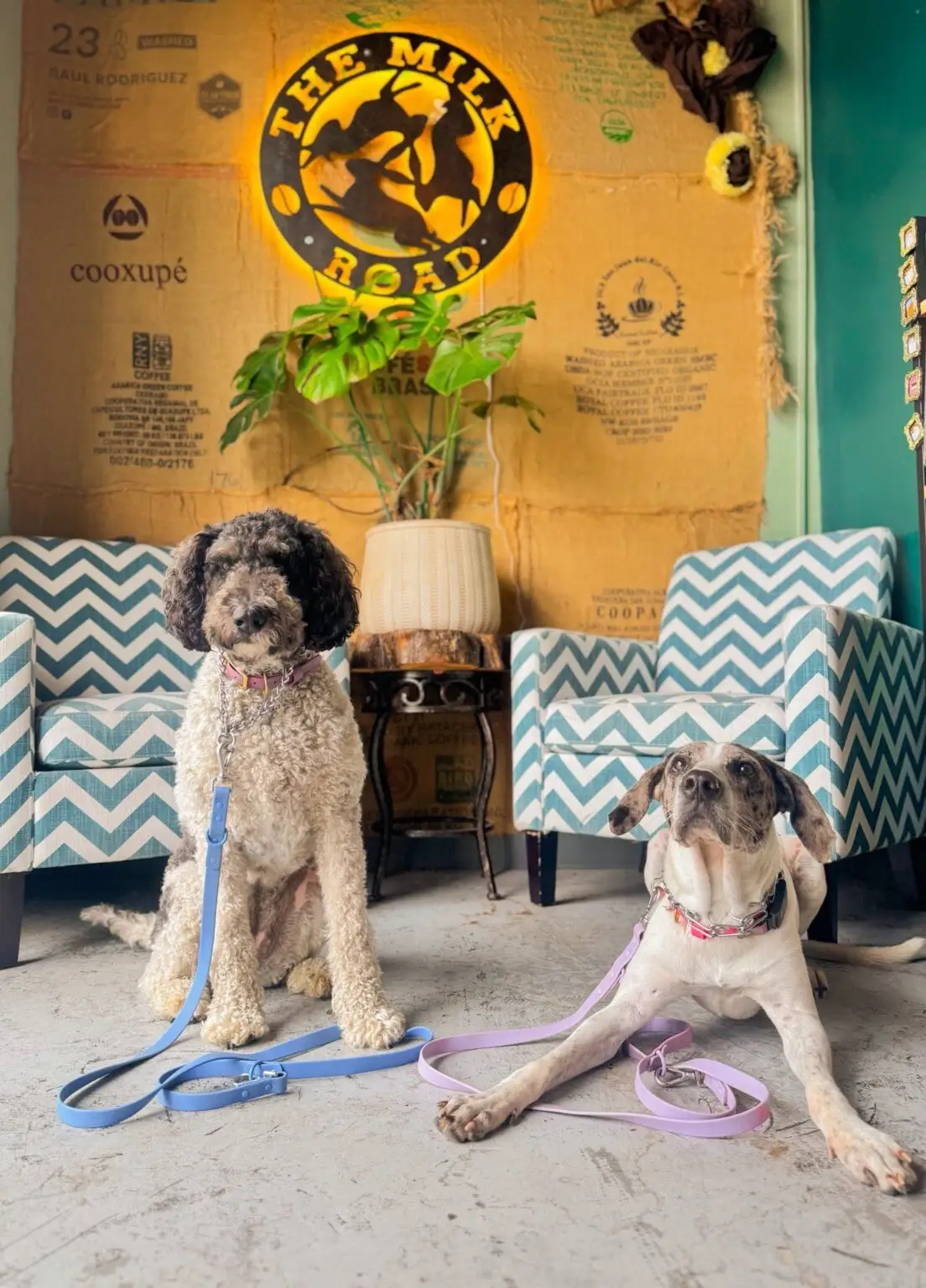
Resource guarding can become more complicated when multiple dogs share a home. One dog may guard food from another, become defensive around toys, or react when another dog approaches a favorite resting area. These interactions can create tension even when the dogs get along well in other situations.
We help owners identify which resources and interactions cause problems and determine how to manage them safely. That may involve feeding dogs separately, limiting access to high-value items during shared time, or changing how certain activities are handled. When guarding occurs alongside broader conflict between dogs, dog reactivity training may also be appropriate if the dog displays trigger-based reactive behavior outside resource-related situations.
Resource guarding training isn’t about teaching your dog to tolerate anyone taking anything at any time. It’s about changing the situations that lead to defensive behavior and helping your dog develop more appropriate responses when people or animals are nearby.
Depending on your dog’s behavior, training may involve creating more predictable interactions, teaching useful cues, practicing voluntary exchanges, and gradually changing how your dog responds to someone approaching a resource. We also help you understand which situations should be managed rather than practiced without professional guidance. Progress may begin with reduced tension, less defensive body language, or an improved ability to disengage from an item.
We’ll evaluate the behavior and determine which situations need immediate management. From there, we create a training plan based on your dog’s responses, the resources involved, and the people or animals who share their environment.
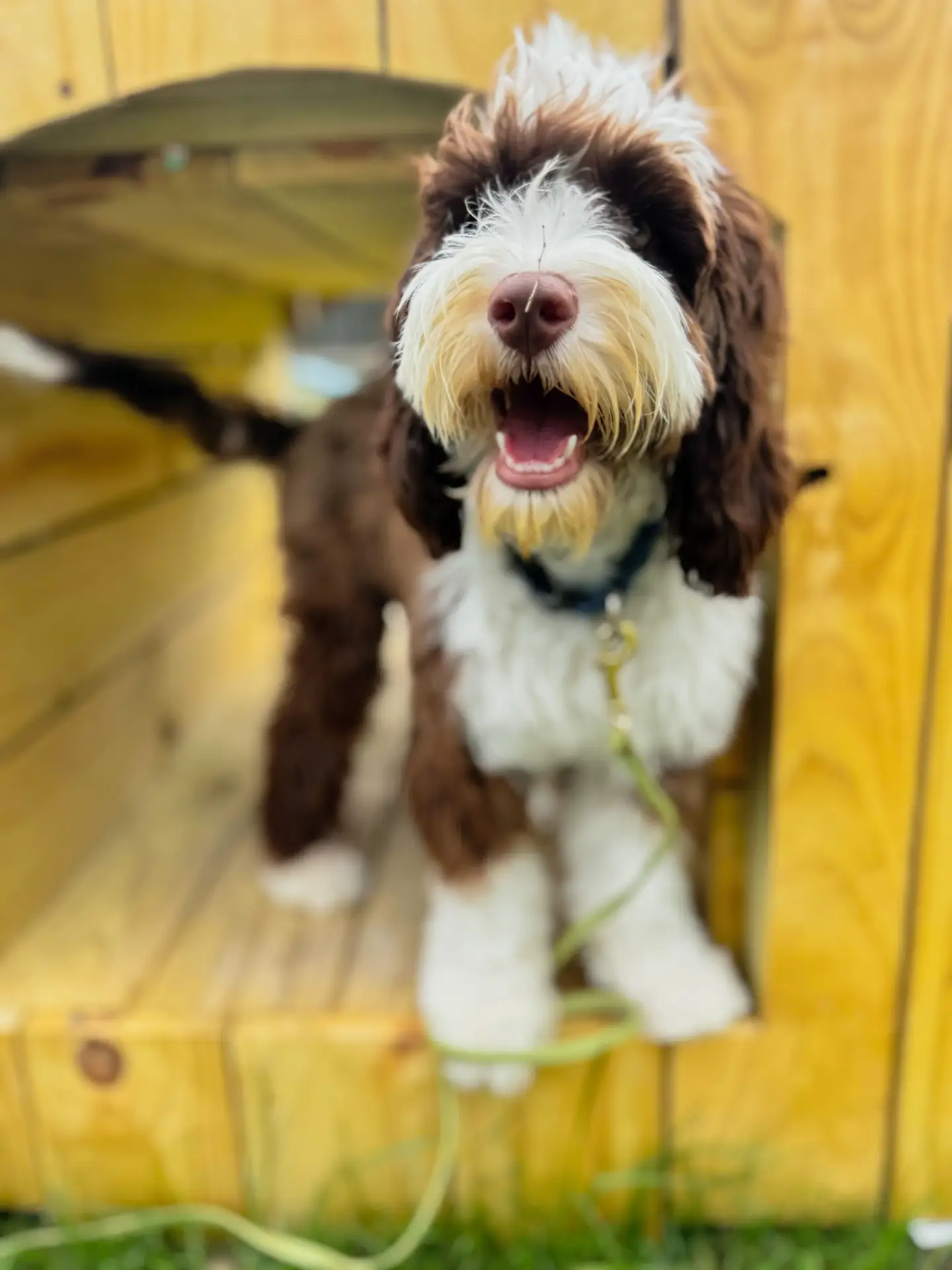
Your dog may growl because they're concerned that approaching people will take their food away. Growling can communicate discomfort and ask for more space. Rather than punishing the growl or repeatedly reaching into the bowl, it's important to understand what triggers the response. We assess your dog's behavior around food and develop a plan that addresses the guarding without creating additional conflict.
Resource guarding can often improve with appropriate behavior modification, but the outcome depends on the individual dog, the severity of the behavior, and the situations involved. Some dogs make substantial progress, while others may continue to need management around certain resources. We focus on reducing defensive responses, improving everyday interactions, and teaching owners how to handle situations safely rather than promising that guarding will disappear completely.
Repeatedly taking toys or other valued items away can make some dogs more concerned about losing their belongings. This may increase guarding rather than prevent it. Teaching appropriate exchanges can help, but how you introduce those exercises matters, especially if your dog has already growled or snapped. We recommend having the behavior assessed before attempting exercises that involve approaching or removing guarded items.
Yes. Dogs that play, rest, and interact comfortably together may still become defensive around food, chews, toys, resting areas, or attention from their owners. Resource guarding can be specific to certain situations rather than a sign of a poor relationship overall. We look at when tension occurs and help owners establish safer routines. If the dogs have already fought over resources, keep them separate during those situations while we assess the behavior.
Resource guarding can make you hesitant to approach your own dog, handle everyday items, or allow other pets near certain spaces. You don’t have to wait for the behavior to become more serious before seeking help. WC Dog Training provides individualized resource-guarding training throughout Eastern NC, helping owners understand their dog’s behavior and build safer, more manageable interactions at home.

Providing expert dog training that builds obedience, confidence, and a strong bond between you and your dog.

© 2026 Wild Child Dog Training. Professional Dog Training Services. Privacy Policy | Terms and Conditions
© 2026 Wild Child Dog Training. Professional Dog Training Services. Privacy Policy | Terms and Conditions
© 2026 Wild Child Dog Training. Professional Dog Training Services.