Lorem ipsum dolor sit amet, consectetur adipiscing elit. Ut elit tellus, luctus nec ullamcorper mattis, pulvinar dapibus leo.
Everyday interactions can become difficult when a dog doesn’t know how to handle a situation. A greeting at the door, an unfamiliar person approaching, another dog appearing during a walk, or someone reaching for a favorite toy can lead to barking, growling, lunging, or avoidance. These reactions can be stressful to manage, especially when you are unsure what your dog needs from you.
We work with dogs in Beaufort, NC, that struggle with aggression, reactivity, fear, anxiety, resource guarding, impulse control, and other challenging behaviors. We look at how your dog responds to different situations, what happens before the behavior begins, and what may be making the interaction difficult. From there, we develop an approach that helps your dog learn more appropriate responses while giving you practical ways to manage everyday encounters.

Everyday Skills That Support Better Behavior – Dogs need to learn more than basic commands. They also need skills to navigate greetings, household activities, walks, and other everyday interactions. We work on practical behaviors that fit your dog’s needs and help make these situations easier to manage.
Behavior Modification for Difficult Encounters – Some dogs struggle when people approach, other dogs enter their space, or someone interferes with something they value. These reactions can have different causes, so we look at the circumstances instead of treating every behavior the same way. Training focuses on what your dog is experiencing and what they need to learn.
Support for Fearful or Reactive Dogs – A dog that barks, lunges, retreats, or freezes during an interaction may be struggling to handle what is happening around them. Repeating commands may not be enough if the dog is too overwhelmed to respond. Wild Child Dog Training considers the dog’s emotional state, the situation, and the distance or intensity involved when deciding how to approach training.
Helping Owners Respond With Confidence – It can be hard to know what to do when your dog reacts unexpectedly. You may feel pressure to correct the behavior, move away, or try to get your dog’s attention. We help you recognize what is happening and make informed decisions about how to respond, manage the situation, and support better behavior over time.
Behavior Often Starts Before the Reaction – A bark or growl may be the most noticeable part of an interaction, but signs of discomfort or tension can appear beforehand. Your dog may become still, turn away, avoid eye contact, stiffen, or repeatedly try to create distance. Recognizing these changes can help you respond before the situation becomes more difficult.
Space Can Make a Difference – Some dogs need more distance from people, other animals, or unfamiliar situations before they can remain comfortable. Asking them to tolerate a close interaction before they are ready can make the experience harder. We consider what your dog can handle and use that information to guide training.
Not Every Dog Welcomes the Same Interaction – Some dogs enjoy meeting new people and dogs, while others are more comfortable keeping their distance. A dog doesn’t need to greet everyone or join every interaction to make progress. We focus on helping your dog respond appropriately and giving you ways to manage situations that are difficult for them.
Your Response Helps Shape the Outcome – The choices you make during an interaction can affect what happens next. Recognizing early signs, creating space when needed, and reinforcing appropriate responses can help prevent situations from escalating. We teach owners how to use these skills in ways that fit their dog’s behavior and training plan.


 Trustindex verifies that the original source of the review is Google.
 Trustindex verifies that the original source of the review is Google.
 Trustindex verifies that the original source of the review is Google.
 Trustindex verifies that the original source of the review is Google.
 Trustindex verifies that the original source of the review is Google.
 Trustindex verifies that the original source of the review is Google.
 Trustindex verifies that the original source of the review is Google.
 Trustindex verifies that the original source of the review is Google.
 Trustindex verifies that the original source of the review is Google.
 Trustindex verifies that the original source of the review is Google.
It may be time to seek help when your dog’s reactions are becoming harder to predict or manage. You may find yourself avoiding certain places, asking people not to approach, or constantly watching for situations that could trigger a response. Those adjustments may help in the moment, but they do not always address the underlying behavior.
Consider professional training if:
If your dog reacts strongly to other dogs or people, dog reactivity training can help address those responses and teach more appropriate ways to handle triggering situations.


Keeping a difficult situation from escalating is not the same as ignoring the behavior. Creating distance, preventing unwanted encounters, or changing how an interaction takes place can help keep everyone safer while you work on the underlying problem.
Management also gives your dog fewer opportunities to repeat unwanted behavior. For example, if a dog repeatedly becomes overwhelmed during close encounters, changing the setup can make it easier to practice a different response. We consider both the immediate situation and the longer-term training needs when developing an approach.
Some dogs react because they feel uncomfortable, uncertain, or afraid. They may bark, growl, retreat, or try to create distance when a situation becomes too much for them. Punishing these responses without addressing the underlying fear can make it harder to recognize when your dog is struggling.
Dog fear training can help you understand what triggers your dog’s fear and how to respond in ways that support better behavior. We consider your dog’s individual needs and work toward helping them handle difficult situations without pushing them beyond what they can manage.

We begin by discussing your dog's behavior, history, and the interactions that have become challenging. We look at what typically happens before, during, and after the behavior so we can better understand the pattern.
We use what we learn to identify the skills and behavior changes that may help. The plan reflects your dog's individual needs, rather than assuming every dog should respond the same way.
We help you understand how to support the training, manage difficult situations, and reinforce more appropriate responses. You will have practical steps to continue working with your dog outside of structured sessions.
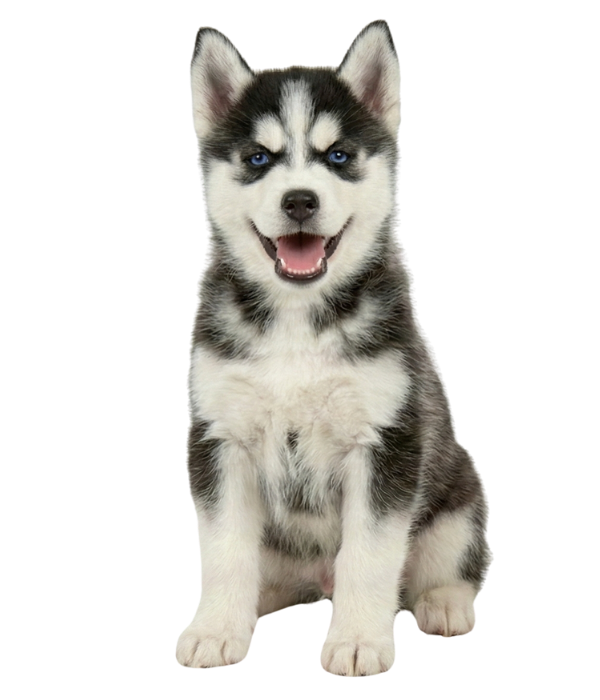
Growling can communicate discomfort, fear, frustration, or a desire for more space. The reason depends on the situation, your dog's history, and what is happening around them. Take the behavior seriously rather than automatically treating it as disobedience. We look at the context and help determine how to manage the situation while addressing the underlying issue.
Yes. The right approach depends on why visitors are difficult for your dog. Some dogs become overexcited, while others are fearful, territorial, or uncomfortable with people entering their space. Training may involve changing how greetings happen, helping your dog respond more appropriately, and teaching you how to manage visits safely. Not every dog needs to interact directly with every visitor to make progress.
Avoid reaching for the item or forcing your dog to give it up, particularly if they are growling, stiffening, or showing other warning signs. These responses can indicate your dog is uncomfortable, and forcing an interaction may increase the risk of a bite. Dog training for resource guarding can help address the behavior through an approach based on your dog's specific triggers and needs.
The timeline depends on the behavior, how long it has been happening, your dog's history, and the situations involved. Some dogs show small improvements early, while other behaviors take more time and consistent practice. We track progress over time and adjust the plan based on how your dog responds, rather than promising a specific result by a certain date.
If your dog’s behavior is making normal routines feel stressful, you don’t have to keep guessing. Contact WC Dog Training to discuss what’s happening, what you’ve tried, and how dog training & behavior modification in Beaufort, NC, can create clearer expectations and a calmer daily life for you and your dog.
Providing expert dog training that builds obedience, confidence, and a strong bond between you and your dog.

© 2026 Wild Child Dog Training. Professional Dog Training Services. Privacy Policy | Terms and Conditions
© 2026 Wild Child Dog Training. Professional Dog Training Services. Privacy Policy | Terms and Conditions
© 2026 Wild Child Dog Training. Professional Dog Training Services.