
Lorem ipsum dolor sit amet, consectetur adipiscing elit. Ut elit tellus, luctus nec ullamcorper mattis, pulvinar dapibus leo.
Fear and anxiety can affect how a dog responds to ordinary situations. A walk, a visitor at the door, time spent alone, or an unfamiliar sound may cause a dog to bark, hide, pace, growl, or try to escape. These behaviors can be difficult to manage, especially when you are unsure what is causing them or how to help your dog feel more comfortable.
We work with dogs throughout Eastern NC that struggle with fear, anxiety, reactivity, and other challenging behaviors. Every dog responds differently to stressful situations, so we look at what triggers the response, how your dog communicates discomfort, and what they can currently handle. From there, we develop a training plan that addresses your dog’s individual needs and helps you respond more effectively when difficult situations arise.


 Trustindex verifies that the original source of the review is Google.
 Trustindex verifies that the original source of the review is Google.
 Trustindex verifies that the original source of the review is Google.
 Trustindex verifies that the original source of the review is Google.
 Trustindex verifies that the original source of the review is Google.
 Trustindex verifies that the original source of the review is Google.
 Trustindex verifies that the original source of the review is Google.
 Trustindex verifies that the original source of the review is Google.
 Trustindex verifies that the original source of the review is Google.
 Trustindex verifies that the original source of the review is Google.

Training for Fearful Dogs – Fear can affect how a dog responds to people, other animals, unfamiliar environments, and everyday experiences. Some dogs retreat or hide, while others bark, growl, or try to create distance. Wild Child Dog Training looks at what makes your dog uncomfortable and develops an approach that helps them learn to handle those situations more appropriately.
Support for Anxiety-Related Behaviors – Anxiety can show up in different ways, including pacing, persistent vocalizing, difficulty settling, destructive behavior, or distress when routines change. Understanding when these behaviors happen helps us identify what your dog may be struggling with. We use that information to determine what training and management strategies may be appropriate.
Help for Dogs That React When Afraid – A fearful dog may bark, lunge, snap, or growl when they feel threatened or unable to move away from something uncomfortable. Don’t automatically treat these reactions as disobedience. We consider what drives the response and work to help your dog handle difficult situations without relying on the same reaction.
Owner Education and Practical Guidance – Living with a fearful or anxious dog can leave you constantly watching for situations that might cause distress. We help you recognize signs of discomfort, understand your dog’s triggers, and make informed decisions about how to respond. You’ll learn practical ways to support training and manage difficult situations outside of sessions.

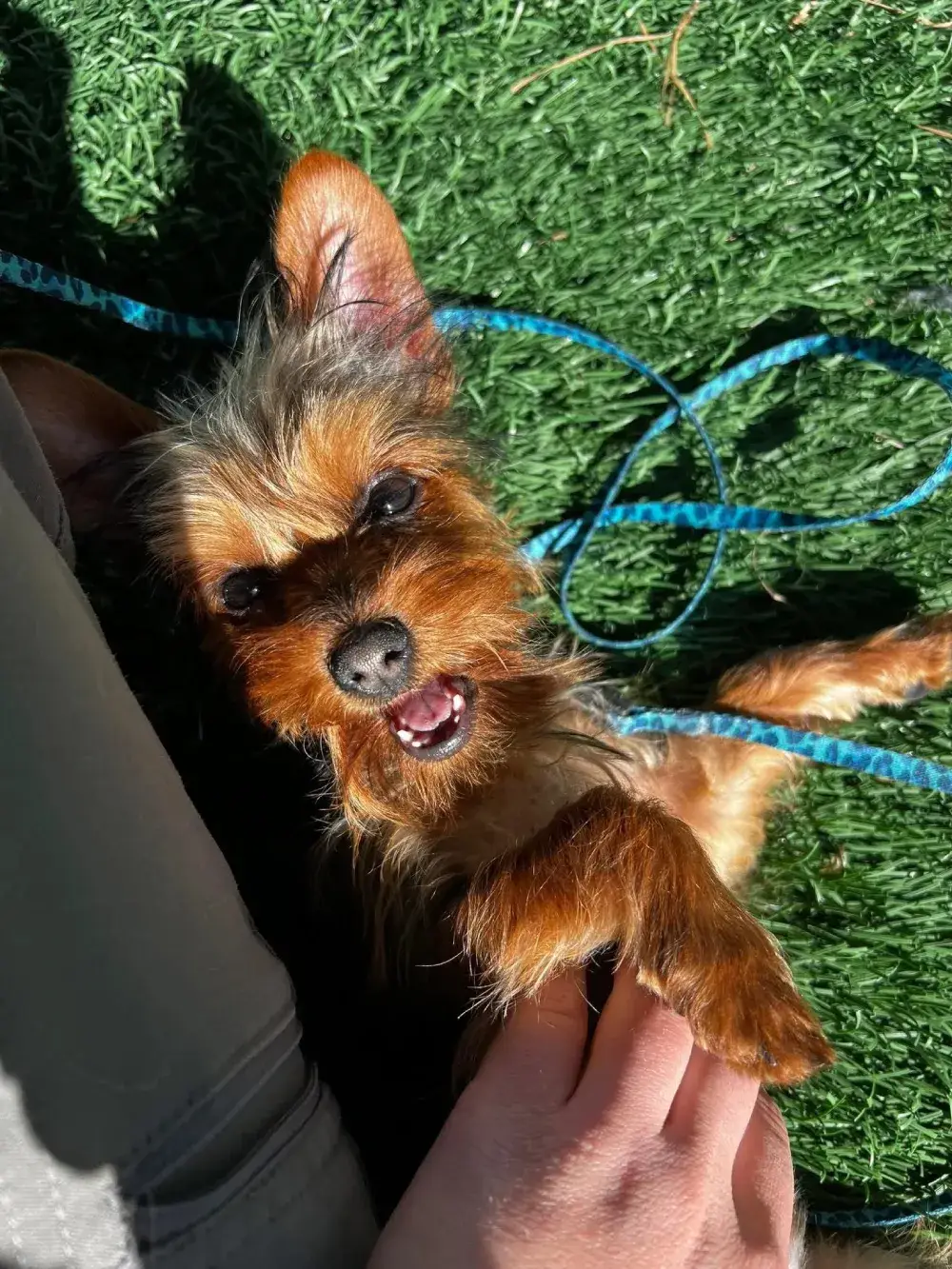
Occasional hesitation does not always mean a dog needs specialized training. However, when fear or anxiety starts affecting everyday routines, limits your dog’s activities, or causes difficult-to-manage reactions, professional guidance can help you decide on next steps.
Consider seeking help if:
Fear can sometimes contribute to reactive behavior. If your dog barks, lunges, or reacts strongly to certain triggers, dog reactivity training may help address those responses.
Sudden or significant behavioral changes can also have a medical cause. A veterinary evaluation is important when fear or anxiety appears unexpectedly, worsens without an obvious reason, or occurs alongside other changes in your dog’s health.
When a dog is afraid of something, it may seem reasonable to expose them to it repeatedly until they get used to it. However, exposure alone doesn’t guarantee fear will decrease. If a dog is repeatedly overwhelmed, they may become more distressed or react more intensely in similar situations.
Training should account for how your dog responds, how close they can comfortably be to a trigger, and whether they can recover after a difficult moment. We adjust the approach based on what your dog can handle rather than expecting them to tolerate every situation right away.
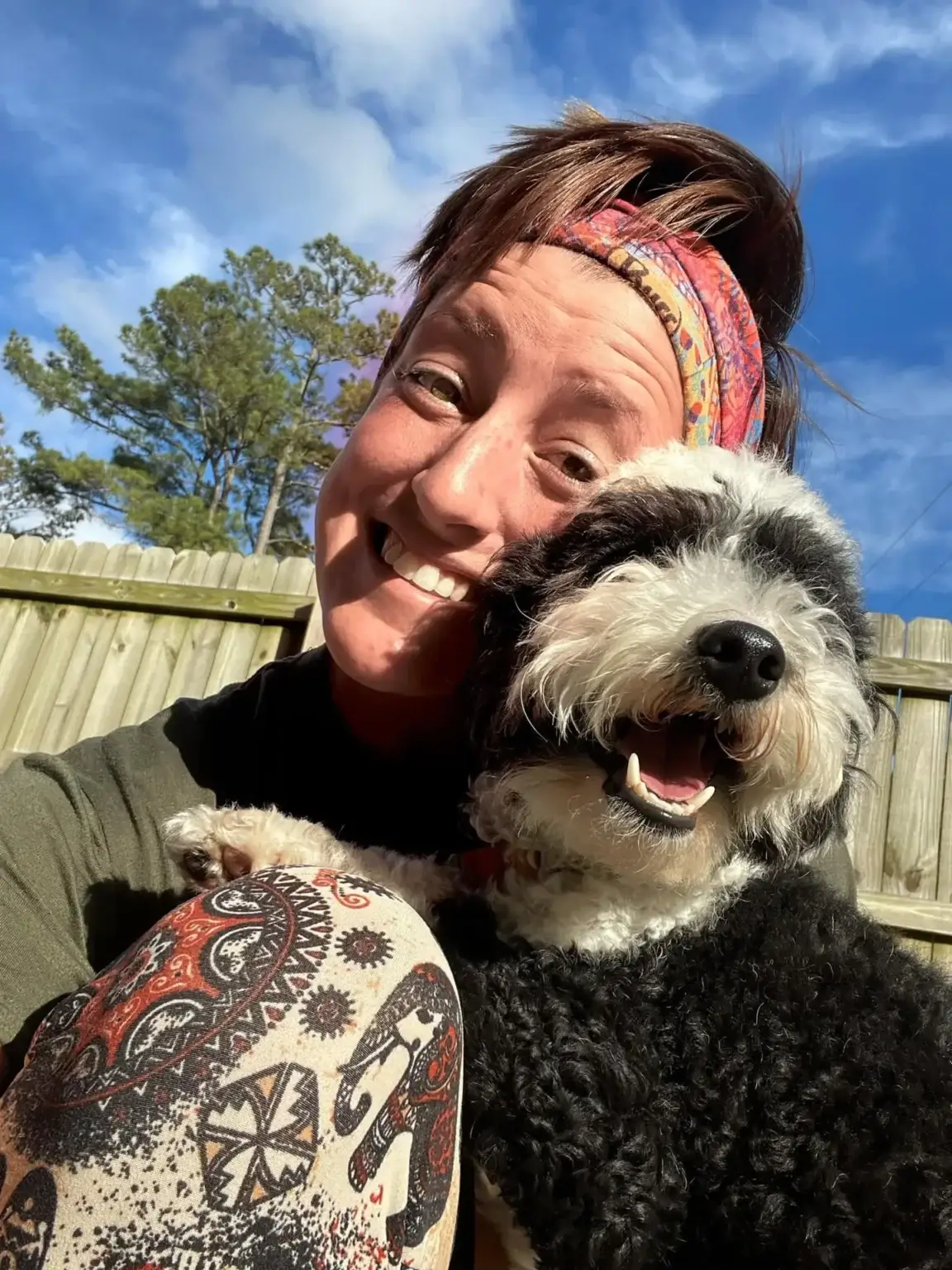
Your dog’s daily environment can affect how they respond to stressful situations. Predictable routines, appropriate rest, clear expectations, and a safe place to settle can help make everyday life more manageable. These changes do not replace individualized training, but they can support the work you do together.
Separation anxiety requires particular attention because the distress often occurs when an owner leaves, or the dog anticipates being left alone. Dog separation anxiety training can help address separation-related behaviors and guide you on how to support your dog when you are away. The right approach depends on how your dog responds to separation and how severe their distress is.
Progress does not always mean your dog becomes comfortable with every person, animal, or environment. You may first notice smaller changes, such as recovering more quickly after a startling event, staying settled longer, or observing a trigger without reacting as intensely.
These changes can show what your dog is learning and where they may need more support. We pay attention to how your dog responds over time and adjust the plan as appropriate. We don’t guarantee timelines, and some dogs need ongoing management alongside training.
We discuss your dog’s history, daily routine, and the situations that cause distress. We also look at how your dog responds before, during, and after those situations. We are here for you and your beloved dog!
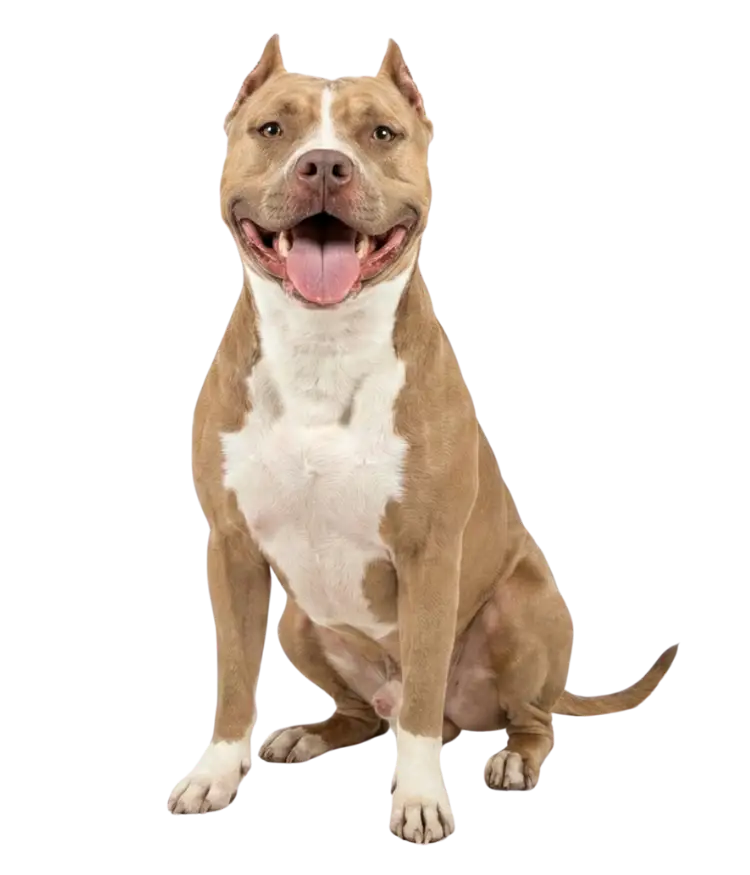
Some fearful dogs can learn to handle interactions with people more comfortably, but the approach depends on what causes the fear and how your dog responds. We look at the situations that trigger discomfort and consider what your dog can currently manage. Training may involve adjusting the environment, changing how interactions happen, and teaching more appropriate responses over time. Not every dog needs to greet unfamiliar people to make progress.
Fear is generally a response to something a dog perceives as threatening, while anxiety can involve distress or anticipation about something that may happen. For example, a dog may show fear when confronted with a specific person or loud noise, while a dog with separation-related anxiety may become distressed before their owner even leaves. The signs can overlap, so looking at the circumstances and patterns helps determine what kind of support may be appropriate.
Barking and growling can communicate discomfort, fear, or a desire for distance. Correcting these warning signs without addressing the cause may leave the underlying problem unresolved. Instead, consider what triggered the response, whether your dog needs more space, and how you can safely manage the situation. A training plan can help you understand what your dog is communicating and work toward more appropriate responses.
Yes, separation-related anxiety can be addressed through an approach tailored to your dog's response to being alone. The behavior may include vocalizing, pacing, destructive behavior, escape attempts, or other signs of distress. Severe cases may also benefit from veterinary guidance, particularly when the dog experiences significant distress or risks injury while alone.


Providing expert dog training that builds obedience, confidence, and a strong bond between you and your dog.

© 2026 Wild Child Dog Training. Professional Dog Training Services. Privacy Policy | Terms and Conditions
© 2026 Wild Child Dog Training. Professional Dog Training Services. Privacy Policy | Terms and Conditions
© 2026 Wild Child Dog Training. Professional Dog Training Services.