Lorem ipsum dolor sit amet, consectetur adipiscing elit. Ut elit tellus, luctus nec ullamcorper mattis, pulvinar dapibus leo.
A walk can become stressful when your dog barks, lunges, or growls at another dog or person. You may find yourself changing routes, crossing the street, or avoiding certain situations because you never know how your dog will respond. These reactions can be difficult to manage, especially when your dog seems unable to focus on you once a trigger appears.
We work with dogs throughout Eastern NC that struggle with reactivity, aggression, fear, anxiety, and other challenging behaviors. Reactivity can stem from fear, frustration, or overexcitement. We look at what triggers your dog’s response, how they behave before a reaction, and what makes the situation harder to handle. From there, we build a training plan around your dog’s specific needs and help you manage these situations more effectively.


 Trustindex verifies that the original source of the review is Google.
 Trustindex verifies that the original source of the review is Google.
 Trustindex verifies that the original source of the review is Google.
 Trustindex verifies that the original source of the review is Google.
 Trustindex verifies that the original source of the review is Google.
 Trustindex verifies that the original source of the review is Google.
 Trustindex verifies that the original source of the review is Google.
 Trustindex verifies that the original source of the review is Google.
 Trustindex verifies that the original source of the review is Google.
 Trustindex verifies that the original source of the review is Google.

Training for Leash Reactivity – Leash reactivity can make everyday walks difficult. Your dog may pull, bark, growl, or lunge when another dog approaches, leaving you unsure how to respond. Wild Child Dog Training works on identifying triggers, managing distance, and teaching skills that help you handle encounters more effectively.
Behavior Modification for Reactive Dogs – Basic obedience doesn’t always address the reasons behind reactive behavior. A dog may know how to sit or stay but still struggle when a trigger appears. We look beyond commands to identify what’s driving the reaction and choose the right training strategies for your dog.
Support for Dogs With Aggressive Responses – Some reactive dogs display behaviors that can create safety concerns, including snapping, growling, or attempting to bite. These behaviors need careful assessment rather than punishment or guesswork. We consider the situations in which they occur and help you develop a plan for managing risk while working toward better responses.
Helping Owners Handle Triggers – Your response can influence how a difficult encounter unfolds. Learning when to create distance, redirect your dog, or leave a situation can help prevent reactions from escalating. We teach practical handling skills so you can make informed decisions during everyday interactions.
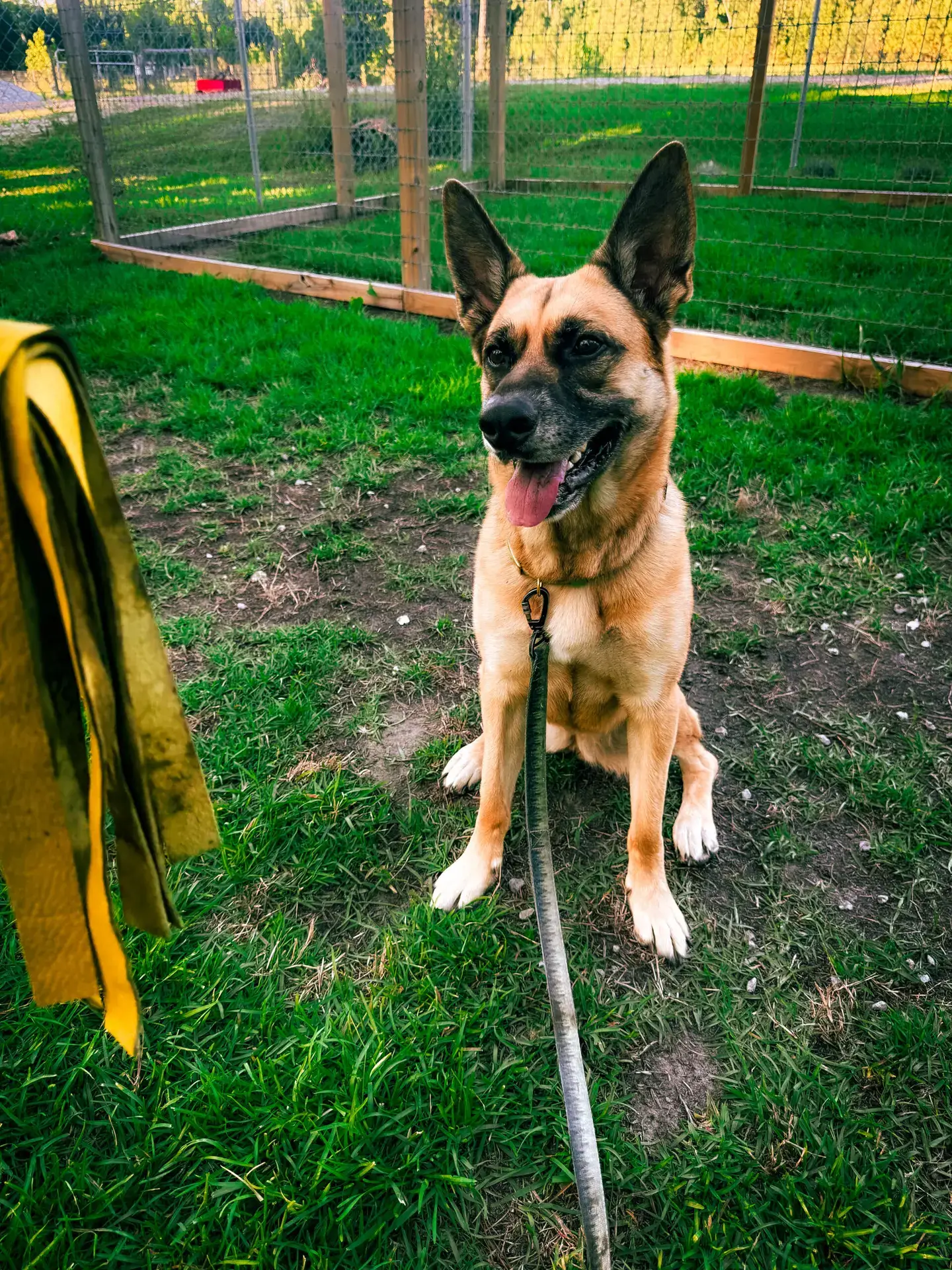
Not Every Encounter Needs to Become a Greeting
When your dog spots another person or pet, the goal doesn’t always have to be saying hello. In fact, forcing close interactions can cause stress and make future walks much harder. We teach you how to read the situation, know when to keep moving or add distance, and keep your dog from feeling overwhelmed.
Seek professional help when your dog’s reactions interfere with walks, visits, daily routines, or your ability to feel safe handling them. You don’t need to wait until the behavior becomes severe to ask for support.
Consider getting help if your dog:
If your dog’s reactions include attempts to bite or other aggressive behavior, agressive dog training may be an important part of the approach. We can help assess the behavior and determine what support your dog needs.
Training should account for what your dog can manage at each stage. If a situation is already too intense, asking for obedience may not be productive. We consider your dog’s responses and work at a level that allows learning without repeatedly exposing them to situations they cannot handle.
For dogs whose reactions stem from fear, dog fear training can help address the emotional factors driving their behavior. The approach depends on the individual dog, and progress may involve changing how you introduce triggers, increasing distance, and helping your dog develop more appropriate responses over time.

The situations your dog encounters outside training can affect progress. If every walk includes close encounters with triggers, your dog may have fewer opportunities to practice the skills they’re learning. Managing the environment can help reduce unnecessary stress while you work on behavior change.
We help you identify practical adjustments that fit your routine. That may include choosing quieter walking routes, planning when to go outside, creating more space during encounters, or deciding when it’s better to leave a situation. These changes aren’t about avoiding every challenge forever. They’re ways to make training more manageable while your dog develops new skills.
Progress doesn’t always mean your dog will never bark or react again. Early improvements may include noticing a trigger without immediately lunging, recovering more quickly after an encounter, or responding to you from farther away.
We watch how your dog responds over time and adjust the training plan as needed. Some situations may improve faster than others, and setbacks can happen. The important part is learning what helps your dog cope more effectively and building on those changes in everyday life.
Leash reactivity can develop for several reasons. Your dog may feel afraid, frustrated by the leash restriction, overly excited, or uncomfortable with close encounters. The leash can also limit their ability to move away from something that worries them. Looking at when the behavior started, which dogs trigger it, and how your dog responds at different distances can help identify what may be contributing to the reaction.
No. Reactivity describes a response to a trigger, while aggression refers to behaviors that may threaten or cause harm. A reactive dog might bark or lunge because they're afraid, frustrated, or excited, and not every reactive dog will attempt to bite. However, because reactive behavior can escalate in some situations, take the signs seriously and manage encounters safely.
Not necessarily. Repeated close encounters can make things harder if your dog is already uncomfortable or overwhelmed. Don't force social interaction, and your dog doesn't need to greet every dog they see. A better approach is to assess your dog's response, maintain an appropriate distance, and build skills that help them handle other dogs more comfortably.
Long-standing reactivity can still be addressed, although progress depends on several factors, including the behavior's cause, how frequently your dog encounters triggers, and whether there are safety concerns. We assess your dog's individual needs and develop a plan based on their current behavior, not on the assumption that it's too late to make changes. Consistent practice and realistic expectations are important parts of the process.


Providing expert dog training that builds obedience, confidence, and a strong bond between you and your dog.

© 2026 Wild Child Dog Training. Professional Dog Training Services. Privacy Policy | Terms and Conditions
© 2026 Wild Child Dog Training. Professional Dog Training Services. Privacy Policy | Terms and Conditions
© 2026 Wild Child Dog Training. Professional Dog Training Services.