
Lorem ipsum dolor sit amet, consectetur adipiscing elit. Ut elit tellus, luctus nec ullamcorper mattis, pulvinar dapibus leo.
When you’re constantly planning around your dog’s behavior, everyday routines can start to feel like work. Walks become something you avoid, having people over takes extra preparation, or you’re always watching for the next reaction. Sometimes the hardest part is not knowing whether what you’re seeing is something you can work through on your own or a sign that your dog needs more help.
At WC Dog Training, we work with dogs throughout Carteret County dealing with aggression, reactivity, fear, anxiety, resource guarding, impulse control, and other difficult behaviors. We don’t assume that every dog needs the same training simply because they have similar problems. We look at your dog’s behavior, the situations that bring it out, and what you need from the training, so we can build an approach that makes sense for both of you.
EXCELLENT Based on 184 reviews
 Posted on Google
 Joann MaguireCorrection to my original review Sydney teaches how to guide your pup for their needs and makes sure your not reinforcing bad behaviors.Posted on Google
 Joann MaguireMy Jackson is a work in progress. To see how far he has come makes my heart smile. Sydney and her crew are amazing and totally trustworthy of caring and training your pup. They also work with training you so not reinforce good handling skills. I am truly confident in Wild Child. Best money spent and best decision I’ve madePosted on Google
 Melissa UrquhartWild Child Dog training has worked with all 3 of my dogs and there is no where else I would send them! Sydney is fantastic with them and all 3 enjoyed their stay. They received plenty of 1 on 1 time, exercise, outings in town and lots of love and affection. I love the fact that she posts pictures and videos everyday so you can see what your pup is up to and you get to visit and receive human training to help your pup succeed. Definitely call Wild Child for all your dog training needs!Posted on Google
 RBWe decided to try dog training for the first time to help our 3 year old Aussie with anxious and avoidance behaviors. In just 3 sessions with Sydney, our dog has learned so much!! During our training sessions, we have learned strategies to help him have better manners which will allow us to take him on walks and not be as stressed with visitors coming to our house. Sydney is very thorough, knowledgeable and her strategies are humane and effective. We highly recommend Wild Child Training and plan to continue with further obedience training in the future.Posted on Google
 Melissa SueI joined with WCDT for puppy training with my little guy Odin. I wanted a trainer specifically that didn't soley rely on shock collar training due to the small size of my dog (as well as I knew I would not be comfortable following through with that type of training at home). From my first conversation, this decision was never met with an issue in our communications which was my reason for moving forward with training my pup with this fabulous duo. There was great communication, and lots of post regarding my Odin's progress between in person visits. My wants in training were clearly defined, discussed and implemented over his in-stay with the facility. I had some reservations with my tiny 3lb spoiled puppy with his paw lotion, eye wipes and holiday themed attire amongst giant working dogs at first; but it was shortly deemed irrelevant as he decided he was just a big dog in disguise disputing my attempts otherwise lol! I am very grateful for the leadership, knowledge and help WCDT has given myself and my pup. Taking on a new puppy was not part of my 2025, and I am very appreciative of the advice and knowledge extended with the program offered. (As well as the minor therapist sessions in listening to me talk about my dog that had recently passed; I appreciate that more than I can express.) I would 100% recommend!Posted on Google
 Phillip EdwardsGreat training and a great facility!! I highly recommend them. Their processes and their caring attitude makes for an excellent outcome. Kara is the best!!Posted on Google
 Lindsay HortonWe did the board and train with our puppy last year, and this year, he’s still the greatest dog. He remembers most of his training - doesn’t run out the door, doesn’t jump on people, waits until we say “okay” to take his food, comes when we call him, etc. Training with Wild Child was some of the best money we ever spent! Highly recommend!Posted on Google
 Dawn FreseEveryone at Wild Child is great and their program is amazing! Harper, my sweet, impulsive and overly energetic girl has so many new skills and is well on her way to being a well behaved pup! She has her moments (she’s still a puppy, after all!) but WildChild has given us both the tools to learn and grow! Harper and I both enthusiastically recommend Wild Child!!Posted on Google
 Ms. WilliamsWild Child trainers helped us and our pup Gracie so much with the board and train! She was wild and would not listen to any of our commands. She returned a totally different pup who now gets along with our other dog, and listens to our commands! Highly recommend WC!Posted on Google
 Chip KingWe had an absolutely wonderful experience with Kara and Wild Child Dog Training. Our dog, Grady, who is a really big Golden Retriever puppy spent 4 weeks in their care learning manners, recall, walking on a leash calmly, being in public, etc and he seemed to love every minute. We just got him home this week and he is a different dog. The love and passion Kara clearly has for dogs were evident the moment we met her. And their consistent communication and video uploads provided our family with a transparent and fun way to watch Grady’s progress. We could not recommend Wild Child any higher and will gladly pass on our highest recommendation to anyone who asks. Thank you guys for a top notch experience.

Everyday Training That Makes Life More Manageable – Basic obedience has a place in every dog’s training, but knowing a command isn’t always enough when real distractions are involved. We work on skills such as walking without constant pulling, coming when called, staying engaged with you, settling when asked, and responding when something more interesting is happening nearby. These are the behaviors that can make a difference when you’re trying to enjoy normal life with your dog.
Behavior Modification for Dogs Struggling With More Than Obedience – Some behaviors can’t be solved by simply asking your dog to sit or stay. Fear, frustration, guarding, reactivity, and anxiety can affect how a dog responds to people, animals, environments, and even their own family. For dogs that guard around food, toys, or other valued items, dog training for resource guarding offers a more focused approach to the behavior.
Training for Dogs That Are Difficult to Manage – There are dogs that have become increasingly challenging to handle, whether the problem happens at home, on walks, around visitors, or in other everyday situations. We work with dogs whose behavior requires a more thoughtful approach, including those with aggression, poor impulse control, or difficulty coping with overwhelming situations. The training plan is based on the individual dog rather than forcing them through a standard progression.
Teaching Owners What to Do in Real Situations – It can be difficult to know what to do when your dog suddenly reacts, refuses to listen, or becomes overwhelmed. Part of our job is helping you understand how to respond before, during, and after those moments. You’ll learn how to recognize patterns, communicate more effectively, and make better decisions when you’re handling your dog on your own.
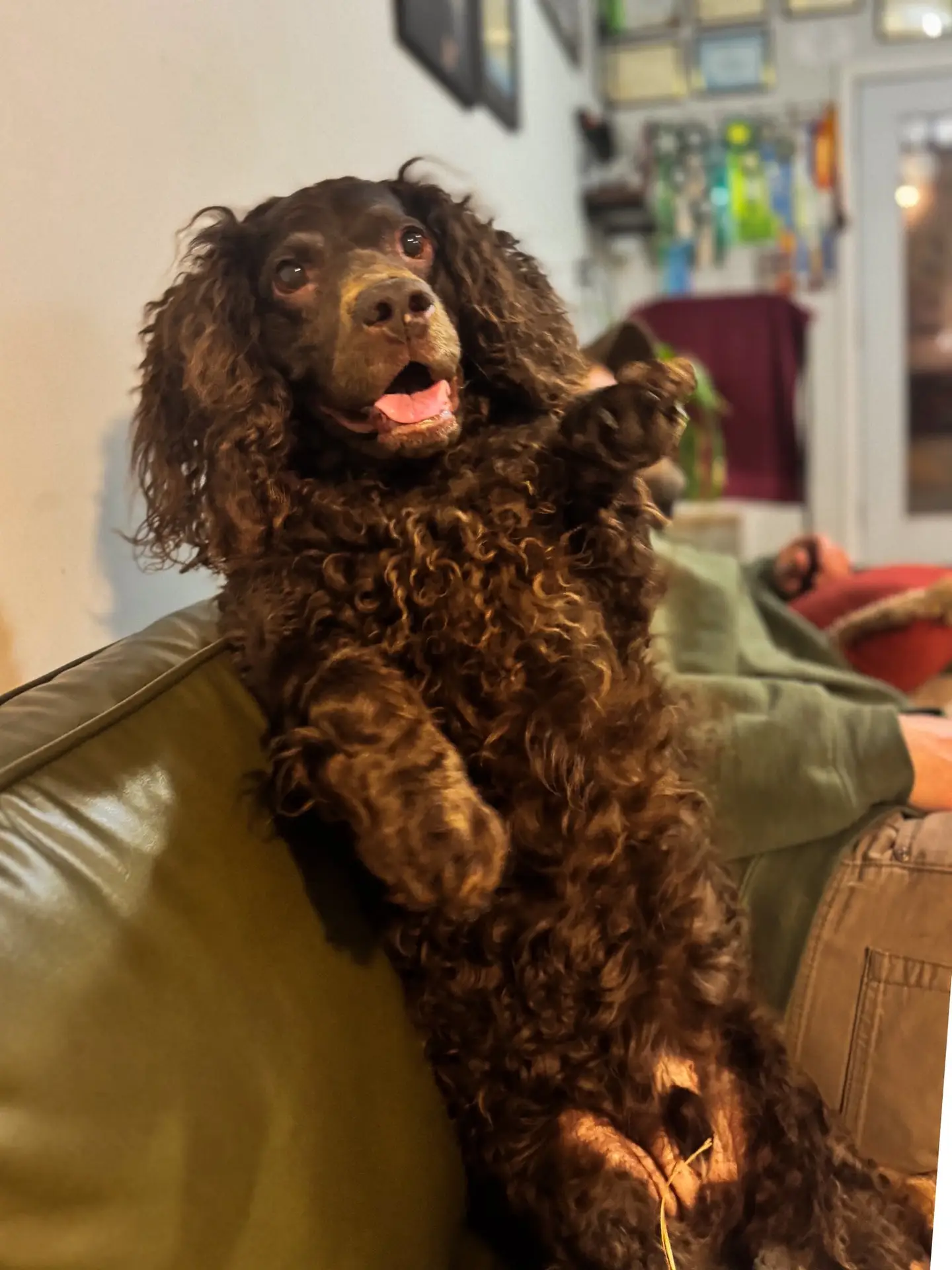
Training isn’t something that happens to your dog while you stand on the sidelines. The decisions you make at home, the way you respond to behavior, and the consistency you provide all affect progress. We give you the information and practical skills you need to become an active part of your dog’s training.
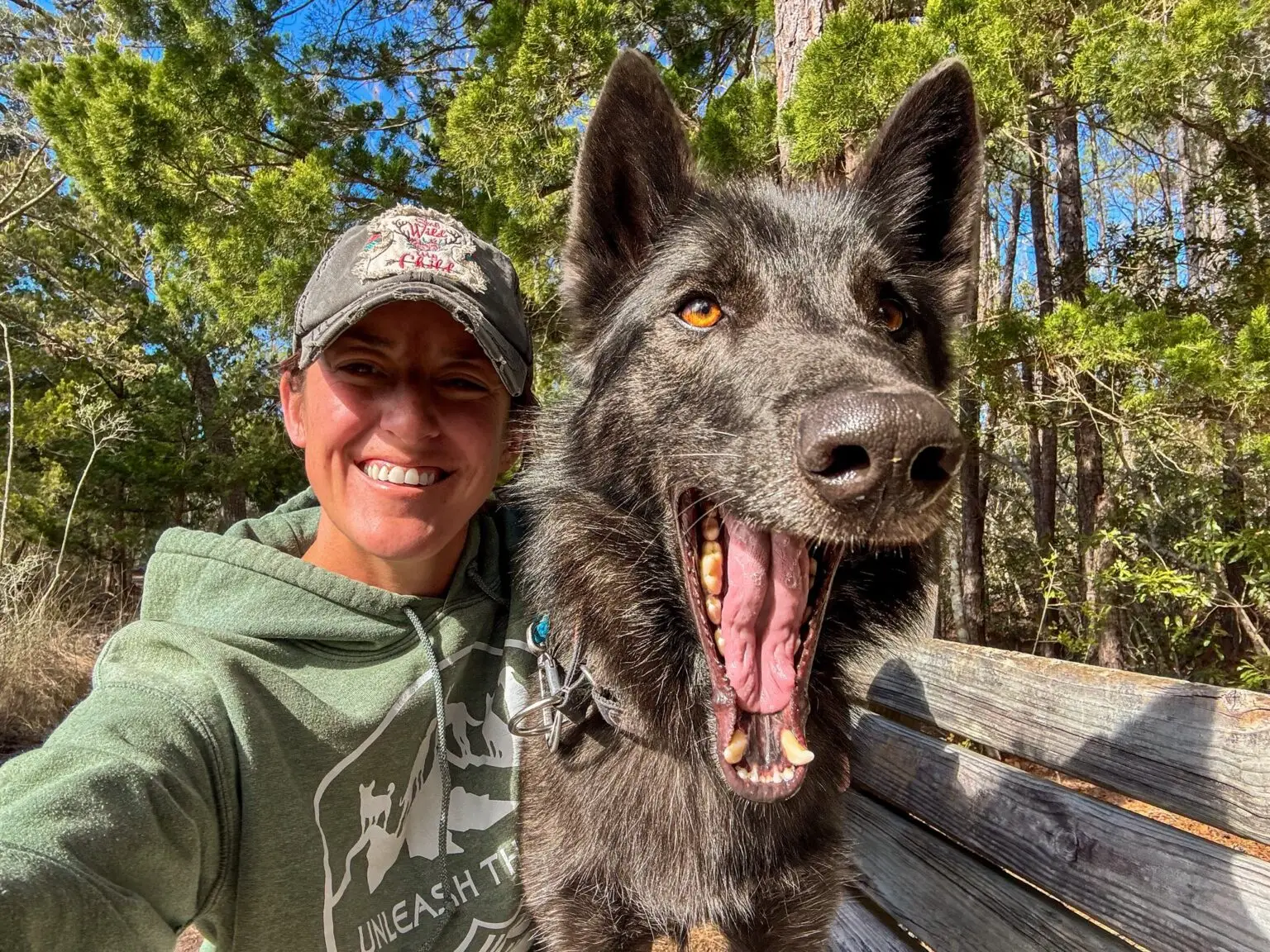
It’s not always obvious when a behavior has crossed the line from something you can work on casually to something that needs a more structured plan. A dog may pull on the leash, bark at guests, or struggle with excitement for months before the problem begins to interfere with your routine. Paying attention to how often the behavior happens, how intense it has become, and whether you’re changing your life to avoid it can tell you a lot.
Wild Child Dog Training dog training and behavior modification may be worth considering if:
Getting professional help doesn’t mean your dog is “bad.” It means you’re recognizing that the problem needs a clearer plan. Understanding what is driving the behavior gives you a better starting point than continuing to manage the same situations without knowing why they keep happening.
Stopping a behavior and changing a behavior are not always the same thing. A dog may stop reacting in one situation because the trigger is farther away, but that doesn’t necessarily mean they have learned to handle it differently. True behavior modification focuses on what your dog needs to learn so they can respond more appropriately when those situations arise again.
That may mean working on emotional regulation, communication, impulse control, confidence, or the dog’s ability to disengage from something that has their attention. For dogs that become overwhelmed around other dogs or people, dog reactivity training can focus on helping them develop more appropriate responses rather than simply trying to prevent every reaction.
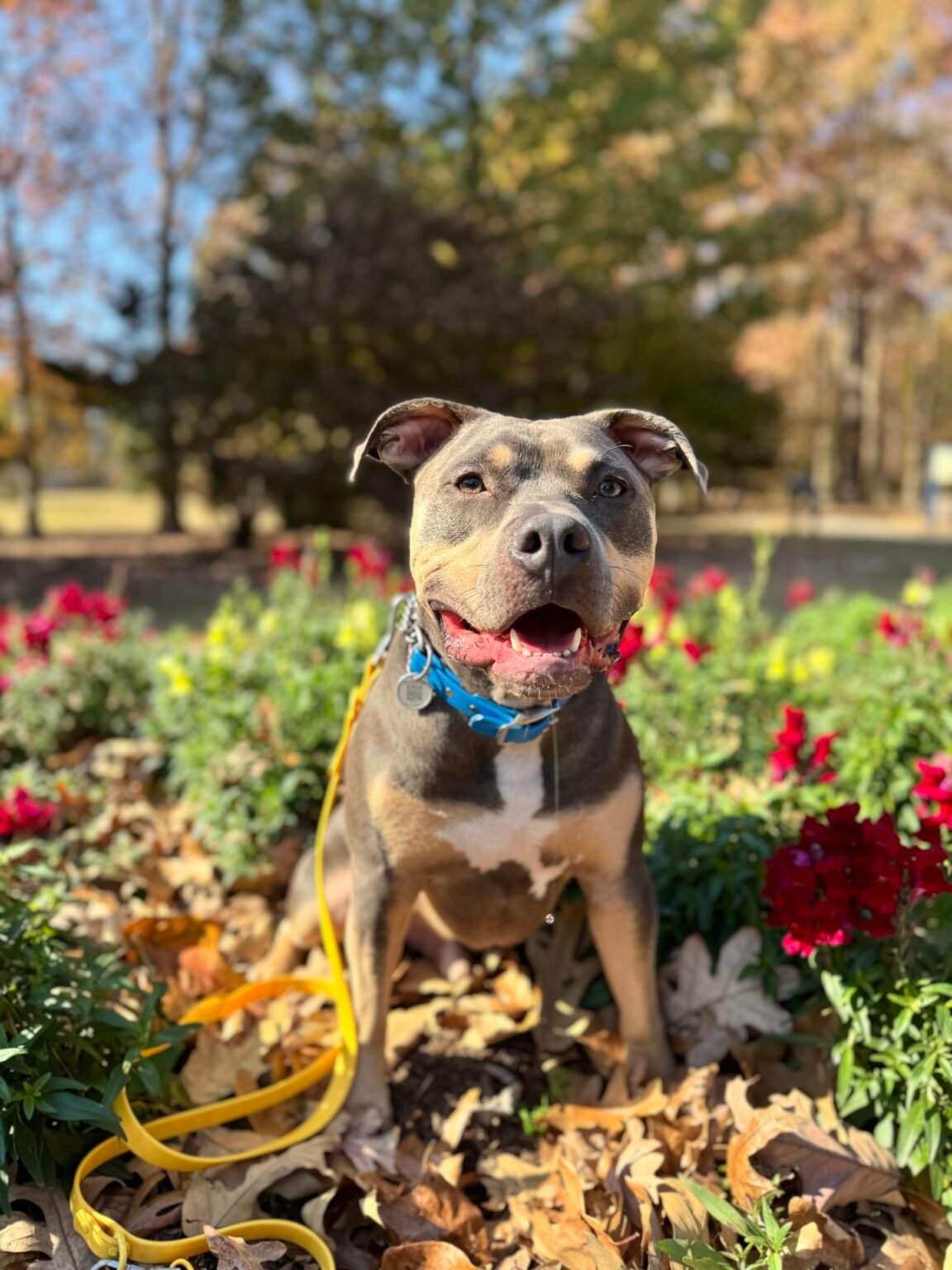
The real test comes when applying lessons around visitors, distractions, and changing daily routines. That is why owner education forms a core part of our programs. We teach you when to reward good choices, give your dog space, avoid unnecessary triggers, and handle unexpected moments with confidence.
These practical tools ensure that the progress your dog makes stays consistent long after training ends. By mastering these habits, you can guide your dog through any environment smoothly.
Our training caters to owners who have tried various methods without achieving lasting results. We evaluate your dog’s history, environment, and specific needs to decide if behavior modification is the right choice. Our goal is to set clear expectations and recommend an approach tailored to your life.
Every dog learns at their own pace, and honest guidance makes all the difference. We focus on clear strategies that bring real, manageable progress to your household. We are here for you all the way!
It depends on how much the behavior affects your routine and whether it is becoming more frequent or intense. Problems that are manageable in some situations can become harder to control over time, so addressing them before they escalate can be helpful.
Yes. Dogs don't always respond the same way to every person, and those differences can provide useful information about the behavior. We'll look at the situations in which your dog struggles so we can better understand what may be contributing to the response.
That's common. A dog may understand what is expected in a familiar environment but have difficulty responding when there are unfamiliar people, animals, sounds, or other distractions. Training can help bridge that gap and teach your dog how to apply those skills in more challenging settings.
Setbacks are part of working through behavior, especially when you're asking a dog to handle situations that have been difficult in the past. We'll help you identify what may have contributed to the setback and adjust your approach to similar situations, rather than simply starting over.

Providing expert dog training that builds obedience, confidence, and a strong bond between you and your dog.

© 2026 Wild Child Dog Training. Professional Dog Training Services. Privacy Policy | Terms and Conditions
© 2026 Wild Child Dog Training. Professional Dog Training Services. Privacy Policy | Terms and Conditions
© 2026 Wild Child Dog Training. Professional Dog Training Services.