Lorem ipsum dolor sit amet, consectetur adipiscing elit. Ut elit tellus, luctus nec ullamcorper mattis, pulvinar dapibus leo.
Better Behavior Starts With the Right Approach
A change in routine can affect more than your dog’s schedule. Moving to a new home, adjusting to a different workday, welcoming someone into the household, or spending more time in unfamiliar places can bring out behaviors you have not seen before. A dog that once seemed easy to manage may start struggling with separation, reacting to new situations, or having difficulty settling down.
We work with dogs in Jacksonville, NC, that struggle with aggression, reactivity, fear, anxiety, resource guarding, impulse control, and other difficult behaviors. Instead of assuming one simple cause, we look at what has changed, when the behavior happens, and what your dog may be struggling to handle. That information helps us build a training plan around the dog in front of us and the situations your household actually faces.

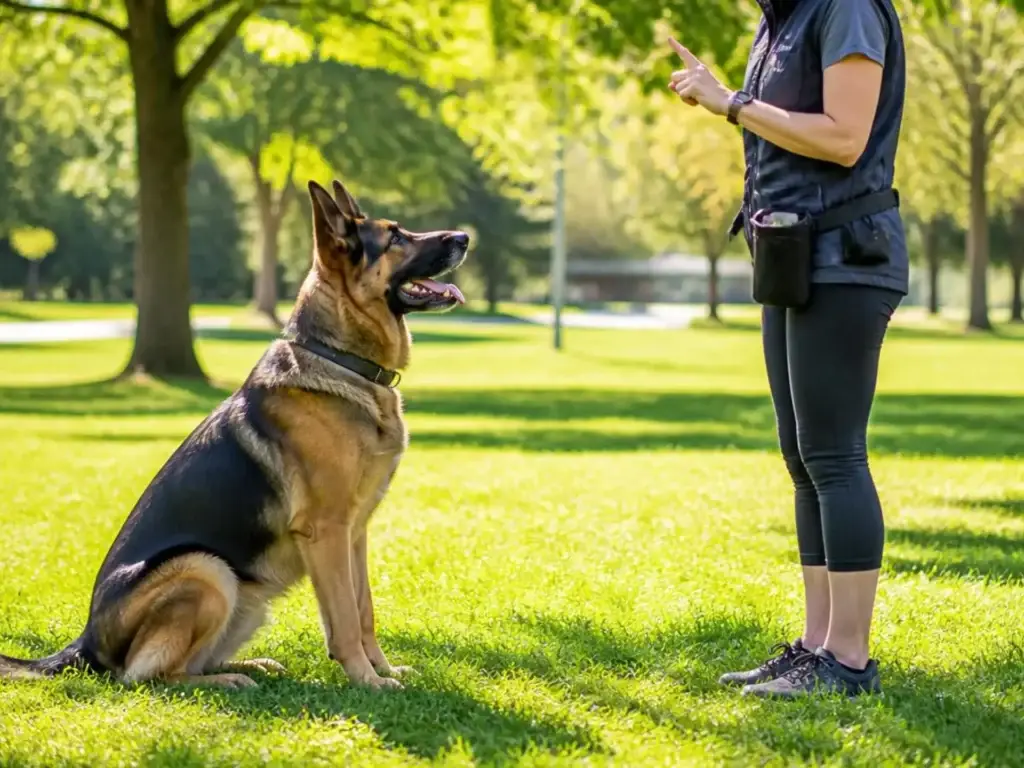
Practical Skills for Daily Life – Everyday obedience can make life with your dog easier, but knowing a command does not mean your dog can use it in every situation. Wild Child Dog Training works on practical skills that support household routines, walks, greetings, and other daily interactions. Training is based on what your dog needs to learn and where those skills need to work.
Behavior Modification for Changing Routines – Some behaviors become more noticeable when a dog’s environment or schedule changes. A dog may struggle with being left alone, become more reactive in unfamiliar situations, or have difficulty adjusting to new expectations at home. We look at the circumstances surrounding the behavior and develop an approach that addresses the underlying problem.
Support for Difficult Behavior – Aggression, fear, reactivity, and resource guarding can make ordinary situations stressful for both dogs and their owners. These behaviors need more than a generic set of commands because the reasons behind them can vary significantly. We take the time to evaluate what is happening and determine what kind of training is appropriate for your dog.
Owner Education That Supports Progress – Training does not end when a session is over. How you respond to your dog, manage difficult situations, and reinforce appropriate behavior all contribute to progress. We help you recognize patterns, make better decisions, and understand how to continue the work at home.


 Trustindex verifies that the original source of the review is Google.
 Trustindex verifies that the original source of the review is Google.
 Trustindex verifies that the original source of the review is Google.
 Trustindex verifies that the original source of the review is Google.
 Trustindex verifies that the original source of the review is Google.
 Trustindex verifies that the original source of the review is Google.
 Trustindex verifies that the original source of the review is Google.
 Trustindex verifies that the original source of the review is Google.
 Trustindex verifies that the original source of the review is Google.
 Trustindex verifies that the original source of the review is Google.


It can be hard to tell whether a behavior is a passing adjustment or needs more focused attention. If the same problem keeps happening, gets worse, or starts limiting what you can comfortably do with your dog, a professional evaluation can help you understand what is going on.
Consider seeking help if:
If your dog guards items or spaces and responds defensively when someone approaches, resource-guarding training can help you explore an approach that addresses the behavior rather than simply trying to stop the warning signs.
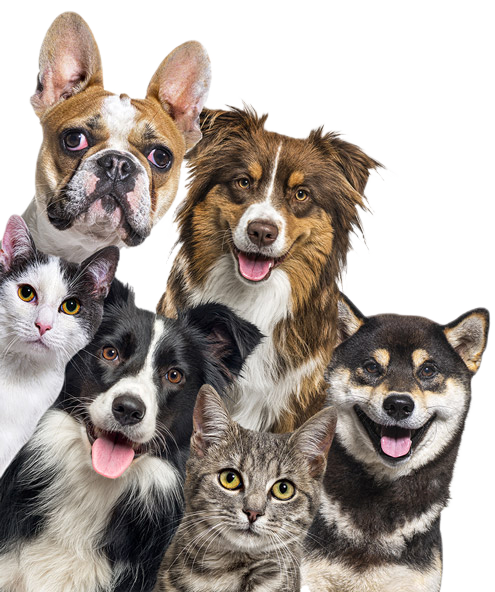


When a behavior causes problems, it is natural to want it to stop as soon as possible. However, stopping the outward response does not necessarily change what your dog is experiencing. A dog may still feel threatened, anxious, or overwhelmed even if they no longer show the behavior the same way.
Behavior modification looks more closely at what drives the response and what your dog needs to learn instead. Depending on the situation, training may help your dog handle frustration, respond differently to triggers, build confidence, or learn to settle when things don’t go as expected. There are no promises of an overnight fix, and the plan should reflect your dog’s individual needs.
The household plays an important role in how a dog responds to change. Predictable routines, clear boundaries, appropriate management, and consistent responses help dogs understand what you expect. When a behavior is already established, changing those patterns may take time, but small adjustments can make training easier to maintain.
Separation-related behavior is one example of a problem that may need a specific approach. If your dog struggles when you leave, separation anxiety training can help address the distress of being alone. The right plan depends on what your dog does when separated, how they respond to your departures, and when the behavior occurs.
Progress does not always mean a behavior disappears completely after a few sessions. You may notice that your dog settles more easily, recovers sooner after a stressful moment, or responds to you in situations that previously felt difficult. Those changes can show that your dog is developing better ways to handle everyday challenges.
Your own confidence matters, too. As you learn to recognize patterns and respond more consistently, you can make better decisions before a situation becomes harder to manage. The aim is to build practical skills and better responses that you can continue using long after a training session ends.
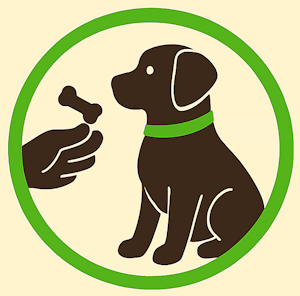
We start by learning about your dog's history, daily routine, environment, and the behaviors causing difficulty. We also discuss when the behavior happens and whether anything has changed recently.
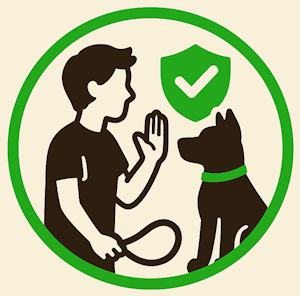
We use that information to identify patterns, understand the challenges, and decide where training should begin. We base the plan on your dog's behavior rather than a standard program applied to every dog.

We work on appropriate skills and help you understand how to support progress outside of training sessions. You learn what to look for, how to respond, and how to make adjustments as your dog develops new behaviors.
Changes in routine can affect some dogs, particularly when they involve time alone, unfamiliar people, a new environment, or different household expectations. A change may reveal an existing difficulty or create a situation your dog hasn't learned to handle. If the behavior continues or becomes difficult to manage, an evaluation can help identify what may be contributing to it.
Yes. A change in behavior is worth examining, especially if it is sudden, persistent, or more intense than what you have seen before. We look at the behavior itself, when it occurs, what happens around it, and whether there have been changes in your dog's environment or routine. If the change is sudden or unexplained, a veterinary evaluation is also important to rule out pain or another medical issue.
Dogs do not automatically apply what they learn in one setting to every other environment. Distractions, unfamiliar people, other animals, and stressful situations can make it harder for a dog to respond as expected. We look at where your dog struggles and build training around the situations that need attention, increasing difficulty at a pace your dog can handle.
We work with dogs displaying aggressive behavior, but the approach depends on the circumstances and the individual dog. We look at what happens before the behavior, what may trigger it, and how your dog responds in those situations. Aggressive dog training should address the specific behavior and include practical guidance for managing risk while working toward better responses. If there is a bite history or an immediate safety concern, appropriate management is essential while we determine next steps.
If your dog’s behavior is making everyday routines harder than they need to be, you don’t have to keep guessing. Contact WC Dog Training to talk through what’s happening at home, what you’ve tried, and how dog training & behavior modification in Jacksonville, NC can create clearer structure for both you and your dog.
Providing expert dog training that builds obedience, confidence, and a strong bond between you and your dog.

© 2026 Wild Child Dog Training. Professional Dog Training Services. Privacy Policy | Terms and Conditions
© 2026 Wild Child Dog Training. Professional Dog Training Services. Privacy Policy | Terms and Conditions
© 2026 Wild Child Dog Training. Professional Dog Training Services.