Lorem ipsum dolor sit amet, consectetur adipiscing elit. Ut elit tellus, luctus nec ullamcorper mattis, pulvinar dapibus leo.
When your dog growls, snaps, lunges, or attempts to bite, everyday situations can become difficult to manage. You may worry about having visitors over, walking past another dog, or handling your dog during routine activities. It’s stressful when you aren’t sure what will trigger a reaction or how to respond without making things worse.
WC Dog Training provides dog aggression training throughout Eastern NC for dogs struggling with aggressive responses toward people, other dogs, or specific situations. Aggression can have different causes, including fear, frustration, resource guarding, and discomfort. We look at your dog’s behavior, history, environment, and triggers to understand what’s contributing to the problem before developing an individualized training plan.


 Trustindex verifies that the original source of the review is Google.
 Trustindex verifies that the original source of the review is Google.
 Trustindex verifies that the original source of the review is Google.
 Trustindex verifies that the original source of the review is Google.
 Trustindex verifies that the original source of the review is Google.
 Trustindex verifies that the original source of the review is Google.
 Trustindex verifies that the original source of the review is Google.
 Trustindex verifies that the original source of the review is Google.
 Trustindex verifies that the original source of the review is Google.
 Trustindex verifies that the original source of the review is Google.

Training for Dog-to-Dog Aggression – Some dogs become aggressive when another dog approaches, while others struggle during close interactions or around specific resources. These reactions can involve barking, growling, lunging, snapping, or biting. We assess when the behavior occurs, how your dog responds to other dogs, and what may be contributing to the aggression. Training focuses on safer handling and helping your dog develop more appropriate responses.
Support for Aggression Toward People – A dog may become defensive around unfamiliar people, visitors, or even members of their own household. The behavior may happen when someone approaches, reaches toward the dog, enters a particular space, or attempts to handle them. We look at the circumstances surrounding these reactions and help owners manage interactions while addressing the underlying behavior.
Behavior Modification for Aggressive Responses – Teaching a dog to sit or stay doesn’t automatically change how they feel about something that triggers aggression. We examine what happens before the response, how your dog communicates discomfort, and whether fear, frustration, or other factors are involved. From there, we develop a behavior modification plan that addresses the specific situations your dog struggles with.
Owner Education for Safer Handling – Living with an aggressive dog requires more than knowing basic commands. We’ll help you recognize warning signs, identify situations that may lead to conflict, and understand when your dog needs more space. You’ll also learn practical management strategies that reduce unnecessary risks while supporting the training process.
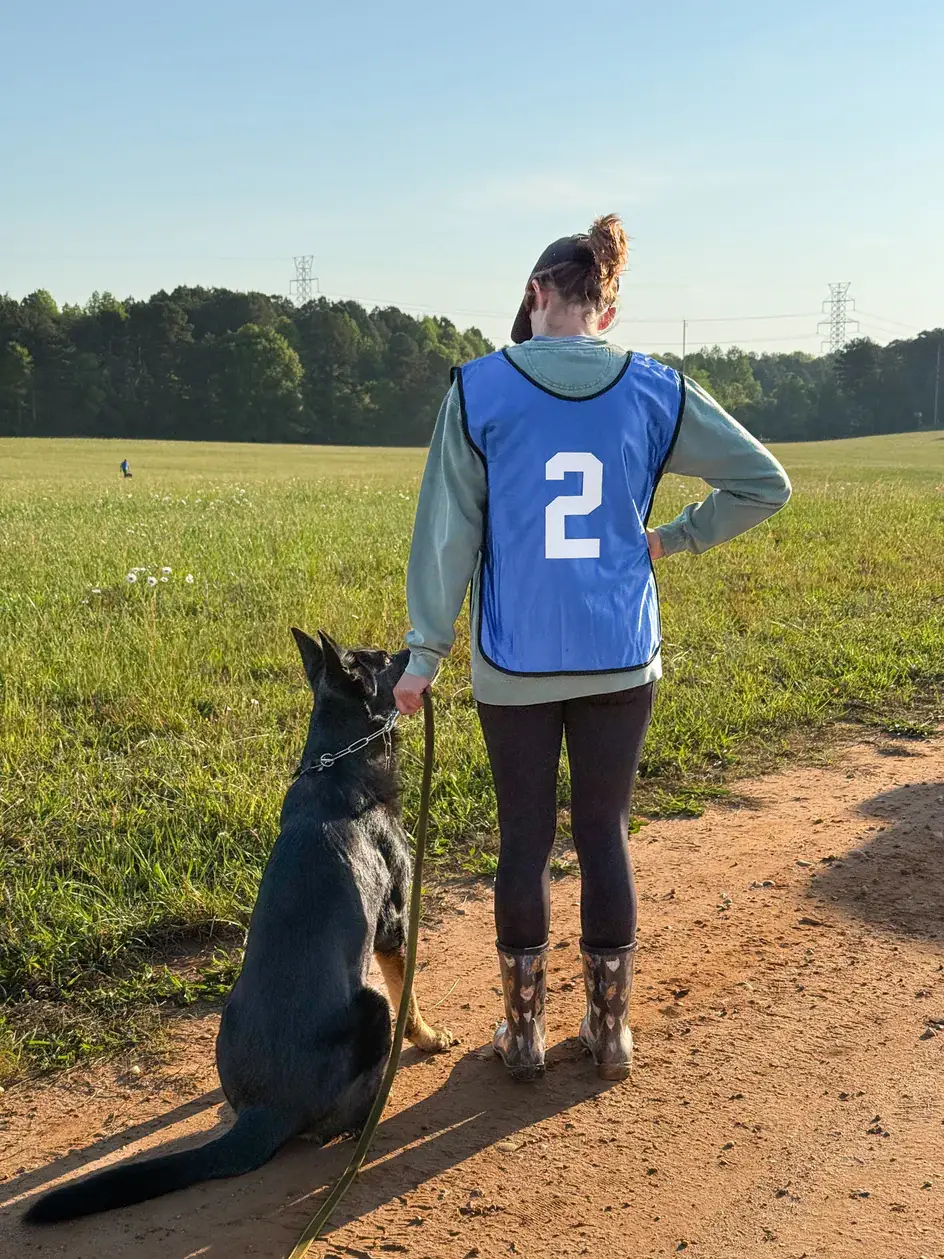
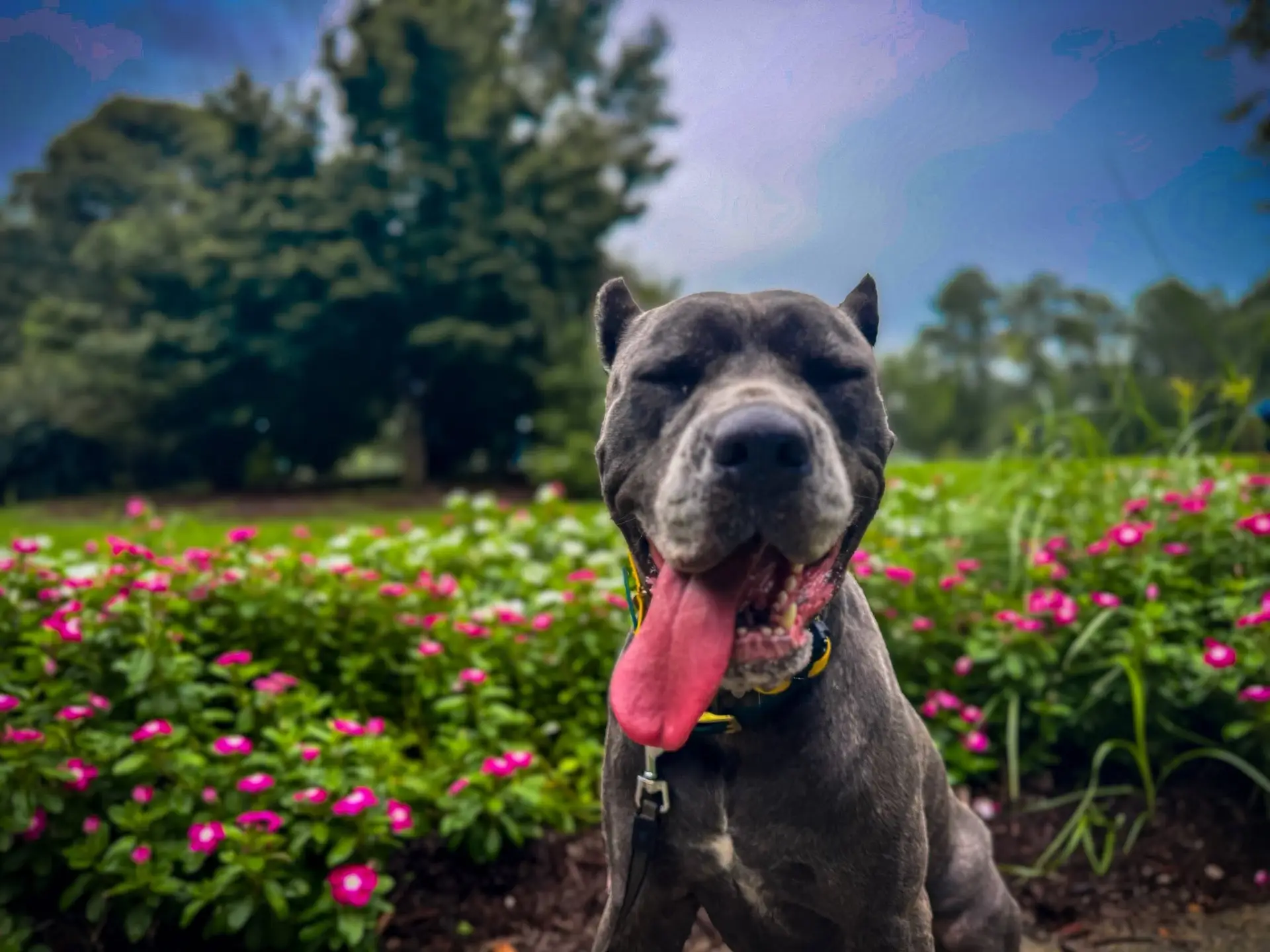
When a dog growls or snaps, it’s understandable to want the behavior to stop immediately. However, correcting the outward response doesn’t necessarily change what caused it. A dog that stops growling may still feel afraid, threatened, or uncomfortable, even if they’re no longer showing the same warning signs.
Punishing warning behaviors can also make it harder to recognize when a dog is approaching their limit. We focus on identifying triggers, preventing unsafe situations, and helping the dog develop more appropriate responses. The approach depends on the dog’s history, the behavior involved, and what they can safely handle during training.
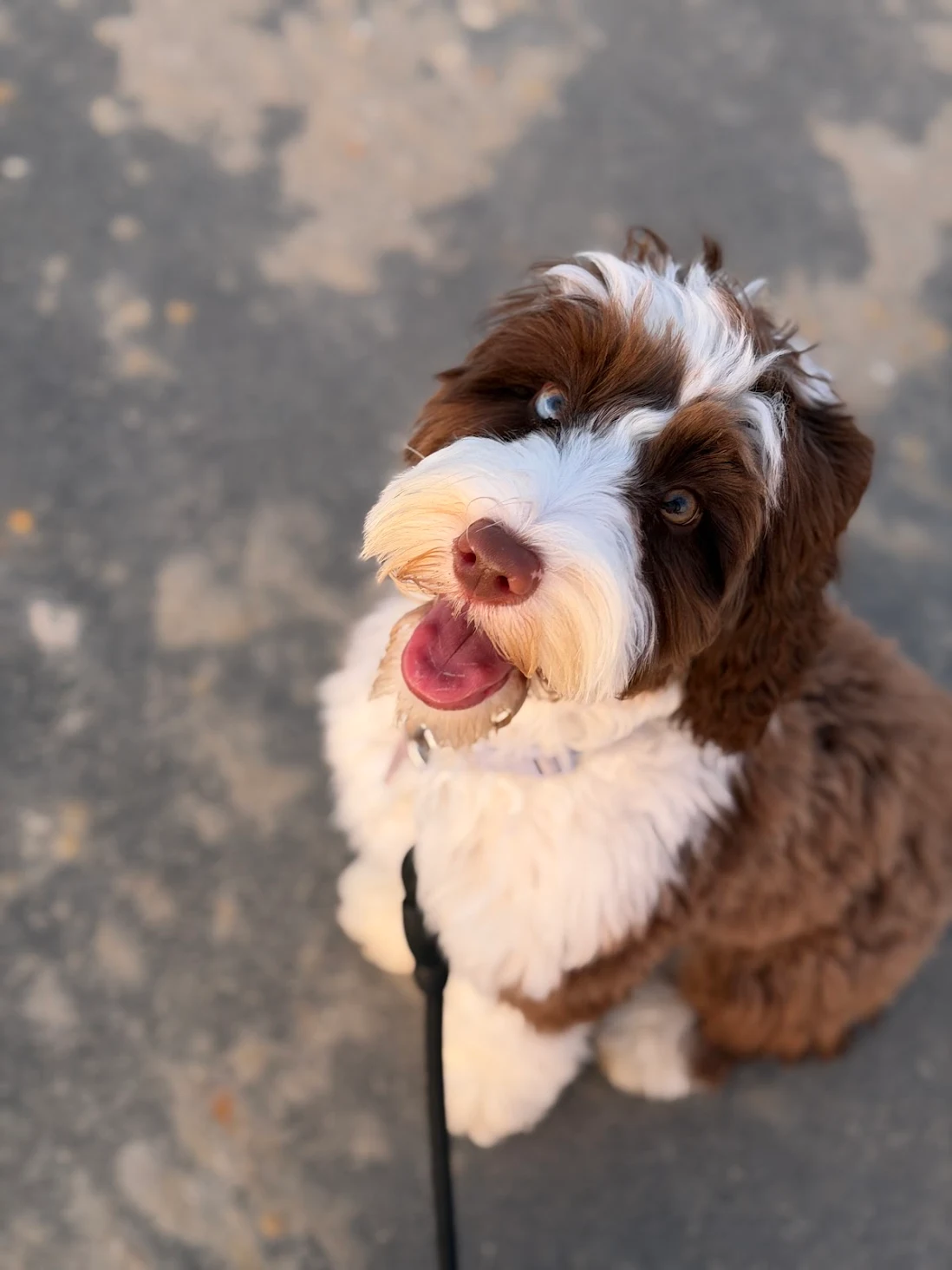
Not every dog that barks, lunges, or growls is reacting for the same reason. Some dogs respond aggressively because they’re frightened and want something to move away. Others become frustrated when they cannot approach another dog or person. These differences matter because the same training approach won’t work in every situation.
For dogs whose aggressive responses stem from fear, dog fear training may help address the discomfort driving the behavior. We look at how your dog responds to triggers, how much distance they need, and what signs indicate that a situation is becoming too difficult. Training is adjusted to your dog’s current abilities rather than forcing close interactions before they’re ready.
Your dog’s behavior doesn’t only happen during training sessions. You may encounter difficult situations when someone comes to the door, another dog approaches during a walk, or a household member interacts with your dog. Knowing how to respond in those moments is an important part of safely managing aggression.
We’ll help you identify which situations require additional precautions and which skills you can practice at home. That may involve changing how visitors enter, creating separate spaces for household pets, improving leash handling, or recognizing when your dog needs a break. Consistent management helps reduce opportunities for unsafe interactions while your dog works on developing better responses.
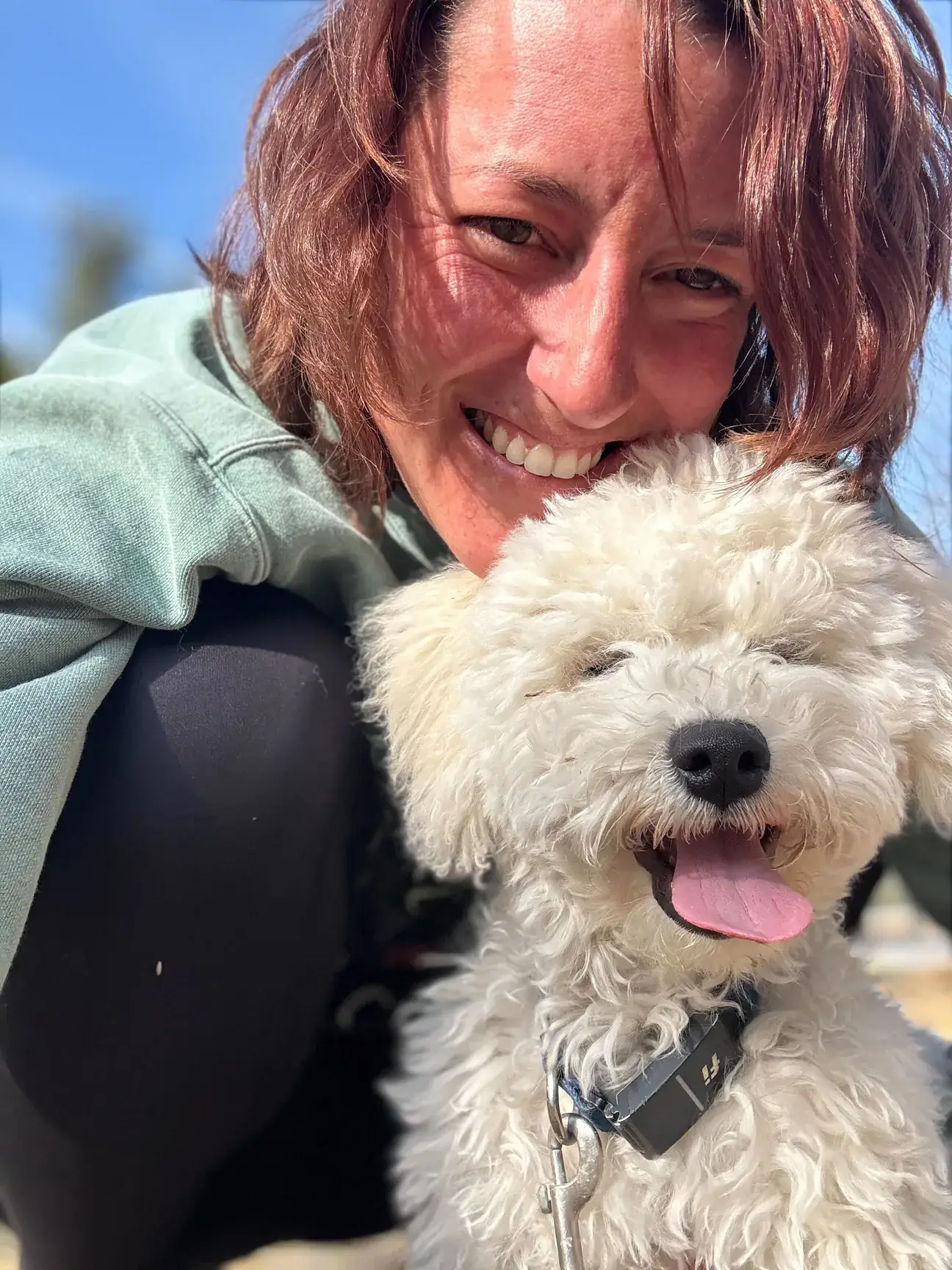
Many dogs displaying aggressive behavior can make progress with an appropriate training and behavior modification plan. However, the outcome depends on the individual dog, the cause and severity of the aggression, previous incidents, and the situations involved. Some dogs improve significantly, while others continue to need management around certain triggers. We evaluate your dog's behavior and develop realistic expectations based on their specific needs.
If your dog has bitten someone, preventing another incident should be the immediate priority. Avoid situations that could trigger another bite, use appropriate barriers or separation, and don't attempt to recreate the incident to see how your dog responds. Anyone who was bitten should seek appropriate medical care. A professional behavior assessment can help identify contributing factors and determine what training and safety measures are needed. Depending on the circumstances, veterinary or veterinary behaviorist involvement may also be appropriate.
No. A dog may react aggressively toward other dogs but remain comfortable around people, or vice versa. Even within the same category, the reasons behind aggression can differ. Some dogs react out of fear, frustration, or discomfort, while others become defensive in specific situations. We look at the individual triggers and behavioral patterns before deciding how to approach training.
Yes. A dog that previously tolerated certain interactions may begin growling, snapping, or reacting aggressively. Changes in health, pain, stress, environment, or previous experiences can contribute to new behavior. If aggression appears suddenly or represents a significant change from your dog's normal behavior, a veterinary examination is important to rule out possible medical causes. Training can then address the behavioral concerns identified during the assessment.
Aggressive behavior can make you feel like you’re constantly managing risks, but you don’t have to keep guessing what’s causing your dog’s reactions. WC Dog Training provides individualized dog aggression training throughout Eastern NC, helping owners understand difficult behaviors, take appropriate safety precautions, and work toward more manageable everyday interactions.

Providing expert dog training that builds obedience, confidence, and a strong bond between you and your dog.

© 2026 Wild Child Dog Training. Professional Dog Training Services. Privacy Policy | Terms and Conditions
© 2026 Wild Child Dog Training. Professional Dog Training Services. Privacy Policy | Terms and Conditions
© 2026 Wild Child Dog Training. Professional Dog Training Services.