A puppy can bring immense joy and laughter to a household, but early guidance is essential in cultivating a well-behaved companion for life. It’s crucial to start teaching a puppy as early as possible, especially within the first 16 weeks. During this time, they are particularly open to learning and can develop positive behaviors that help avoid future challenges.
The initial weeks of a puppy’s life are filled with significant transformations. They undergo various phases of socialization and learning, such as interacting with people and other pets, which contributes to their development into friendly adults. Exposure to a variety of experiences, like meeting new individuals or exploring different environments, enhances their adaptability. This early introduction can mitigate fear and aggression later on. A puppy that learns to trust humans and other animals during this stage will be more confident and well-adjusted in adulthood.
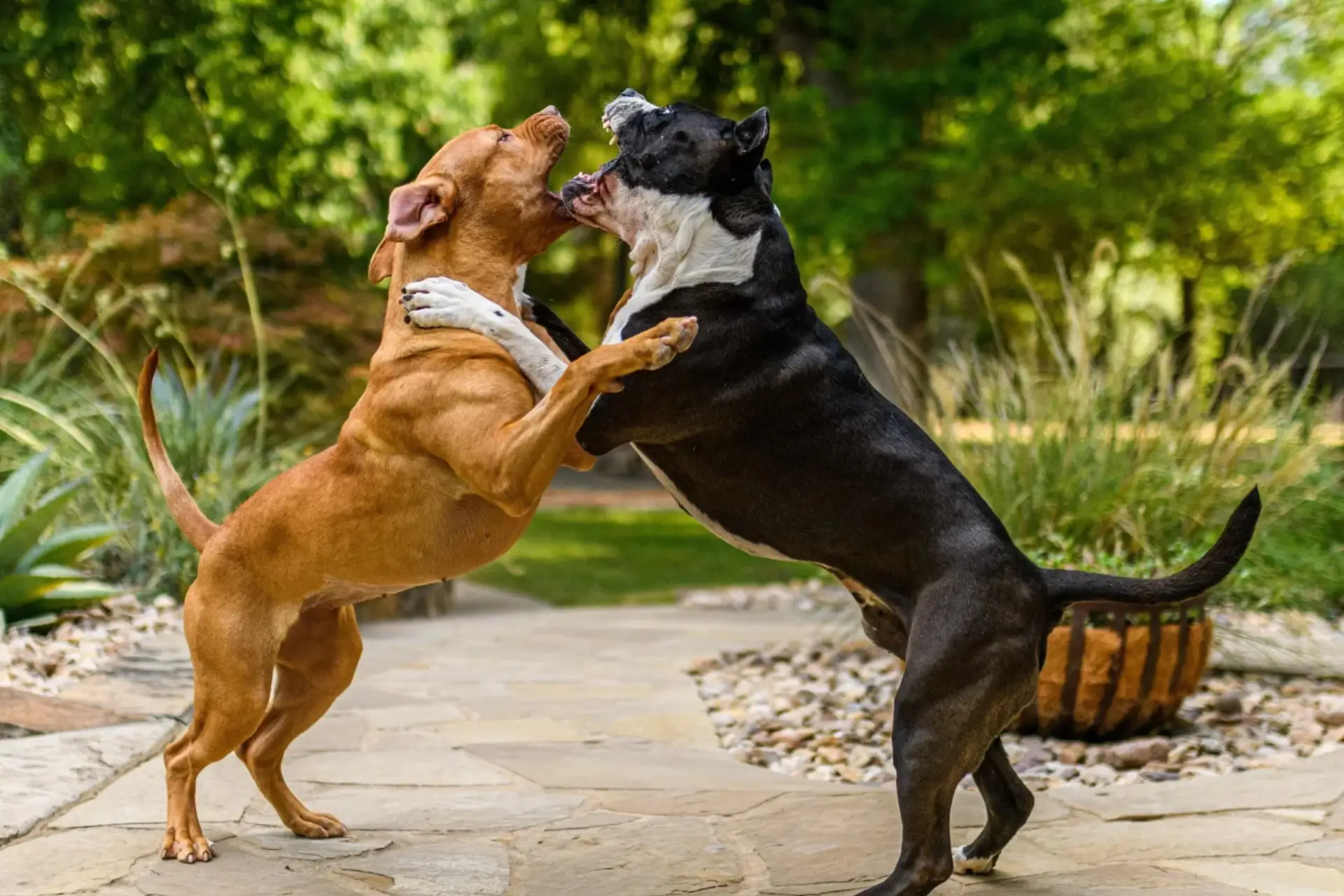
Teaching play and handling skills is also crucial during this early period. Puppies learn through play, so guiding them on how to engage playfully helps them grasp boundaries. For instance, if a puppy bites too hard while playing, gently redirecting their behavior teaches them to be softer. This not only curtails future biting but also fosters cooperation and respect for others. By helping puppies learn to interact appropriately, owners can prevent misunderstandings that may lead to unwanted behaviors.
Establishing trust through guidance is another key component of early training. Puppies absorb information from their environment like sponges. Consistent training enables them to understand what is expected of them. For example, teaching commands like “sit” or “stay” lays a foundation for good behavior. The bond created through training nurtures a trusting relationship. A puppy that feels secure and understood is less likely to develop anxiety or fear-related behaviors.
In summary, teaching a puppy during their first 16 weeks is vital for fostering a well-adjusted and happy companion. The lessons learned in this period shape their future behavior, equipping them to navigate the world with confidence and kindness. Incorporating play, handling skills, and building trust establishes the groundwork for a strong relationship. Dedicating time and effort to early training will result in a lifetime of joy and companionship, making it a rewarding endeavor for any pet owner.
Need training for your puppy? Check out our puppy services by clicking here.