Dog behavior problems can affect almost every part of daily life. A dog that barks at visitors, pulls on the leash, destroys furniture, or reacts to other dogs can be difficult to manage, especially when you don’t know why the behavior is happening.
The same behavior doesn’t always have the same cause. One dog may bark because it’s excited, while another barks because it’s nervous. A dog that pulls on the leash may want to greet another dog, while another is trying to create distance. Understanding what’s driving the behavior is the first step toward changing it.
What Causes Behavioral Issues in Dogs?
There isn’t one reason dogs develop behavioral issues. The same behavior can have different causes depending on the dog and the situation.
For example, one dog may bark at strangers because it is excited, while another may bark because it feels threatened. A dog that pulls toward another dog may want to play, while another may be trying to create distance.
Common causes include:
- Fear or anxiety
- Frustration
- Boredom
- Too little physical or mental activity
- Inconsistent rules at home
- Accidental reinforcement of unwanted behavior
- Limited socialization
- Genetics and temperament
- Changes in the household or routine
- Pain or other health problems
Pay attention to what happens before and after the behavior. The trigger, your dog’s response, and what happens next can tell you a lot about why the behavior continues.
A sudden change also deserves attention. If a dog that has never shown a particular behavior suddenly starts acting differently, a veterinary examination can help rule out an underlying health problem.
Common Behavior Issues in Dogs and How to Address Them
Dogs rarely develop behavior problems without a reason. A behavior that looks like stubbornness may actually be caused by fear, frustration, excitement, or a habit that’s been reinforced over time. Understanding what’s driving the behavior makes it easier to choose the right training approach. The sections below cover some of the most common behavior issues in dogs, what typically causes them, and practical ways to begin addressing them.
Attention-Seeking Behaviors
Excessive Barking
Barking is one of the most common behavior issues in dogs. While barking is a normal form of communication, it becomes a problem when it occurs constantly or in situations where it isn’t necessary. Some dogs bark at people walking past the house, while others react to unfamiliar sounds, visitors, boredom, or anxiety.
How to address it: Identify what triggers the barking before trying to stop it. If your dog barks out the front window, limit access to that area while teaching them to settle somewhere else. If boredom is contributing to the barking, increase daily exercise and mental enrichment. Avoid yelling at your dog to stop barking, as many dogs interpret that as additional excitement or attention.
Jumping on People
Jumping usually develops because it gets a response. Even pushing your dog away or telling them to get down can reinforce the behavior if they are seeking attention.
How to address it: Decide what greeting behavior you want instead and reward that consistently. Ask visitors to ignore your dog until all four paws are on the floor before giving attention. The more consistent everyone is, the faster your dog learns that calm greetings work better than jumping.
Begging for Food
Begging often becomes a habit because it has worked before. If your dog occasionally receives food from the table, they’ll keep trying.
How to address it: Decide on a household rule and stick with it. Teach your dog to settle on a bed or mat during meals instead of sitting next to the table. Make sure everyone in the home follows the same routine so your dog receives consistent expectations.
Whining and Attention-Seeking
Whining doesn’t always mean your dog wants attention. It can also be caused by excitement, frustration, fear, anxiety, or discomfort.
How to address it: Look at the situation before responding. If your dog is whining for attention, wait for a calm moment before interacting with them. If the whining appears to be connected to fear or anxiety, focus on addressing the underlying cause rather than ignoring the behavior.
Destructive Behaviors
Destructive Chewing
Chewing is a normal behavior, but destroying furniture, shoes, or other household items is not. Dogs may chew because they’re bored, anxious, teething, or haven’t learned which objects belong to them.
How to address it: Provide your dog with appropriate chew toys and restrict access to valuable household items while they’re learning. If chewing mainly happens when your dog is left alone, consider whether anxiety or separation-related behaviors could be contributing to the problem.
Digging
Some dogs dig because they enjoy it, while others dig out of boredom, to escape, to cool off, or because it’s part of their natural instincts.
How to address it: Start by identifying why your dog is digging. Increasing physical exercise and mental stimulation may help if boredom is the cause. If your dog simply enjoys digging, consider giving them a designated digging area instead of trying to eliminate the behavior completely.
Behaviors Around Dogs and People
Leash Pulling
A dog that constantly pulls on the leash can make walks stressful and difficult to control. Pulling may be caused by excitement, frustration, or simply because the dog has learned that pulling gets them where they want to go.
How to address it: Practice in quiet areas before introducing distractions. Reward your dog for staying close to you and walking with a loose leash. If pulling is accompanied by barking, lunging, or growling, the behavior may reflect reactivity rather than leash manners alone. In those cases, it’s worth addressing the underlying trigger rather than focusing solely on the leash.
Reactivity Toward Dogs, People, or Other Triggers
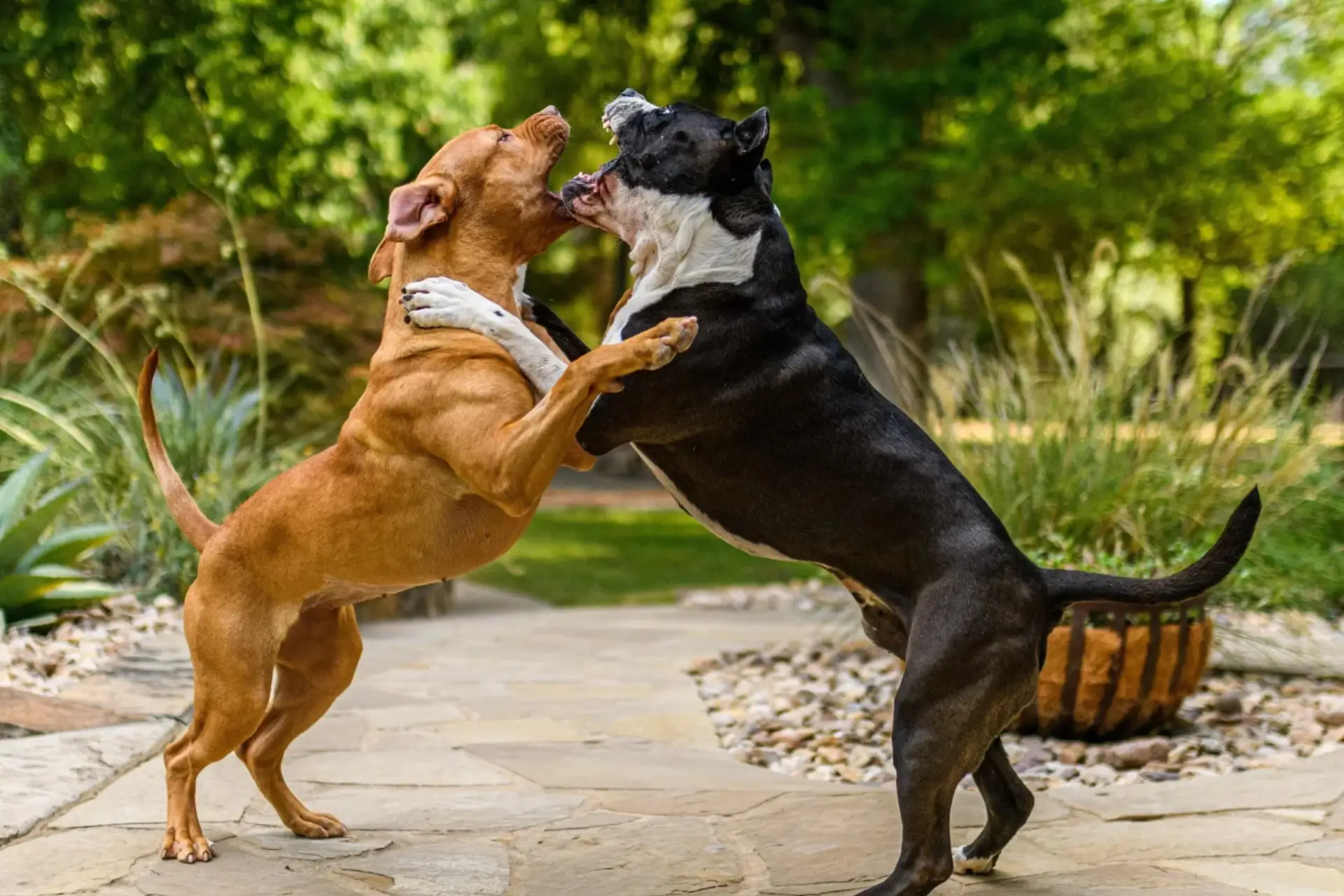
Reactive dogs may bark, lunge, growl, or stare when they see another dog, person, bicycle, or other trigger. Reactivity doesn’t always mean aggression. Some dogs are fearful, while others become frustrated because they can’t reach what they’re focused on.
How to address it: Identify your dog’s triggers and work at a distance where they can still pay attention to you without reacting. Gradually decrease that distance as your dog becomes more comfortable. Progress usually comes from many successful repetitions, not by forcing your dog to face situations they’re not ready for.
Aggression
Aggression can include growling, snapping, lunging, or biting. It may be related to fear, resource guarding, pain, territorial behavior, or other factors.
How to address it: Safety comes first. Avoid trying to punish aggressive behavior or testing your dog’s limits. Instead, prevent situations that trigger the behavior, and work with a qualified trainer who can identify the cause and develop a training plan based on your dog’s individual needs.
Behaviors Around Valuable Resources
Resource Guarding
Resource guarding happens when a dog becomes protective of food, toys, treats, beds, or other items they consider valuable. Early warning signs may include stiffening, freezing, growling, or showing teeth.
How to address it: Respect the warning signs rather than punishing them. Prevent situations where your dog feels the need to guard while working on positive associations around people approaching valuable resources. If your dog has snapped or bitten while guarding, seek professional guidance rather than trying to address the behavior on your own.
Behaviors Linked to Stress or Anxiety
Fear and Anxiety
Fear can cause dogs to hide, freeze, avoid people, bark, growl, pace, or attempt to escape. These behaviors are often the dog’s way of coping with a situation they find overwhelming.
How to address it: Avoid forcing your dog into situations they’re clearly uncomfortable with. Instead, gradually build confidence by working at a level where your dog can stay calm and continue learning. If fear affects your dog’s daily life, behavior modification may be the safest approach.
Separation-Related Behaviors
Some dogs become distressed when left alone, showing behaviors such as barking, destructive chewing, pacing, scratching at doors, or escape attempts.
How to address it: Start by determining whether the behavior occurs only when you’re away. Management strategies and gradual independence training can help mild cases, while more severe separation-related behaviors often benefit from professional guidance.
House Soiling
House soiling refers to a dog urinating or defecating inside the home after it should reasonably be house-trained. While it can be frustrating, it isn’t always an obedience issue.
How to address it: Look for possible causes before assuming your dog is misbehaving. Changes in routine, stress, incomplete house training, or medical conditions can all contribute to accidents. If the behavior appears suddenly, especially in an older dog, schedule a veterinary examination before focusing on training.
How to Handle Behavioral Issues in Dogs at Home
There’s no single exercise that fixes every behavior problem. Whether your dog barks, pulls, jumps, or guards resources, the goal is the same: reduce opportunities to practice the unwanted behavior while teaching a response you’d rather see. These principles apply to most behavior challenges.
Identify the Trigger
Write down what happens before the behavior.
Consider:
- Where does it happen?
- Who or what is nearby?
- What happens immediately before your dog reacts?
- How close is your dog to the trigger?
- What happens after the behavior?
Patterns can help you figure out what your dog is responding to.
Prevent Repeated Problems
Dogs get better at behaviors they practice regularly.
If your dog spends every afternoon barking at people through the window, close the blinds or move your dog to another area while you’re working on the problem. If your dog keeps stealing items from the counter, don’t leave those items within reach.
This doesn’t replace training. It gives you fewer opportunities for the unwanted behavior to happen while you teach something new.
Teach Your Dog What to Do Instead
Telling a dog what not to do doesn’t tell them what you expect instead.
If your dog jumps on visitors, teach them to keep four paws on the floor. If they rush through doors, teach them to wait. If they pull toward another dog, teach them to focus on you and move with you.
An alternative behavior gives your dog a clear response to practice.
Reward Good Choices
When your dog makes the right choice, reward it.
The reward can be food, a toy, praise, play, or access to something your dog wants. The best reward depends on the dog and the situation.
Timing matters, too. Reward the behavior while it’s happening or immediately afterward so your dog can connect the reward to the choice you want repeated.
Practice Around Distractions
Dogs don’t automatically understand that a command learned in the kitchen also applies at the park.
Start somewhere your dog can succeed, then gradually add distractions. Practice at home, in the yard, on quiet walks, and eventually in busier environments when your dog is ready.
If your dog struggles, make the situation easier rather than repeatedly asking for a behavior they aren’t ready to perform.
Behavioral Issues in Older Dogs: What Causes Them?
If your older dog starts behaving differently, don’t assume it’s just part of getting older. New behavior problems can be linked to physical discomfort, medical conditions, or age-related changes that affect how a dog responds to everyday situations.
Possible causes include:
- Pain or discomfort
- Hearing loss
- Vision changes
- Medical conditions
- Cognitive decline
- Increased anxiety
- Changes in the household
- Changes in daily routine
- Reduced tolerance for stressful situations
For example, a dog that suddenly growls when someone touches its body may be reacting to pain. A dog that seems confused about familiar routines may be experiencing cognitive changes.
Don’t assume a sudden change is simply an obedience problem. Have your veterinarian check for possible medical causes first. Once health concerns have been addressed, training can help with behaviors that still need work.
When Should You Work With a Professional Dog Trainer?
Not every behavior problem can or should be handled on your own. Some behaviors carry a higher risk of injury, while others become more difficult to change the longer they’re repeated.
If your dog has started growling over food, lunging at people or other dogs, guarding toys, or showing signs of aggression, it’s best to involve a trainer before the behavior escalates. The same applies if your dog becomes extremely anxious when left alone or reacts so intensely that you can’t safely redirect their attention.
Professional training is also worth considering when you’ve been consistent but aren’t making progress. Sometimes the challenge isn’t a lack of effort. It’s identifying what’s actually driving the behavior. A trainer can evaluate your dog’s triggers, explain why the behavior is happening, and help you build a plan that’s realistic for your home and daily routine.
Address Your Dog’s Behavior With Wild Child Dog Training
Behavior problems don’t always have an obvious cause. Barking, chewing, pulling, fear, reactivity, guarding, and aggression can all look different from one dog to another.
Wild Child Dog Training works with dogs that need help with behavior and obedience. If your dog’s behavior is affecting walks, visitors, time alone, or daily life at home, professional training can help you understand what is happening and what needs to change.
Explore Wild Child Dog Training’s behavior modification service if you’re ready to address a behavior problem with a plan tailored to your dog.