Lorem ipsum dolor sit amet, consectetur adipiscing elit. Ut elit tellus, luctus nec ullamcorper mattis, pulvinar dapibus leo.


 Trustindex verifies that the original source of the review is Google.
 Trustindex verifies that the original source of the review is Google.
 Trustindex verifies that the original source of the review is Google.
 Trustindex verifies that the original source of the review is Google.
 Trustindex verifies that the original source of the review is Google.
 Trustindex verifies that the original source of the review is Google.
 Trustindex verifies that the original source of the review is Google.
 Trustindex verifies that the original source of the review is Google.
 Trustindex verifies that the original source of the review is Google.
 Trustindex verifies that the original source of the review is Google.

Changing More Than the Surface Behavior – Stopping an unwanted behavior in the moment does not necessarily address what caused it. Your dog may still feel stressed, fearful, frustrated, or overwhelmed even when the outward behavior has stopped. We work to understand what is happening underneath the behavior so training can address the larger problem.
Support for Fear, Anxiety, and Reactivity – Fear and anxiety can affect how a dog responds to people, animals, environments, sounds, and everyday situations. Some dogs react by barking, lunging, avoiding, freezing, or trying to escape. Understanding the reason behind the response helps us determine what your dog needs to feel more comfortable and make better choices in Eastern North Carolina.
Training for Serious Behavior Challenges – Aggression, resource guarding, and other difficult behaviors require careful evaluation and an individualized plan. We take the circumstances seriously rather than relying on a quick correction or one-size-fits-all technique. We adjust training based on your dog’s history, behavior, environment, and ability to handle the situation.
Teaching Owners What Behavior Really Means – Understanding your dog’s behavior can change how you respond to it. We help owners recognize body language, identify patterns, understand triggers, and make better decisions before a situation escalates. You should know what your dog is communicating and what you can do when behavior becomes difficult.
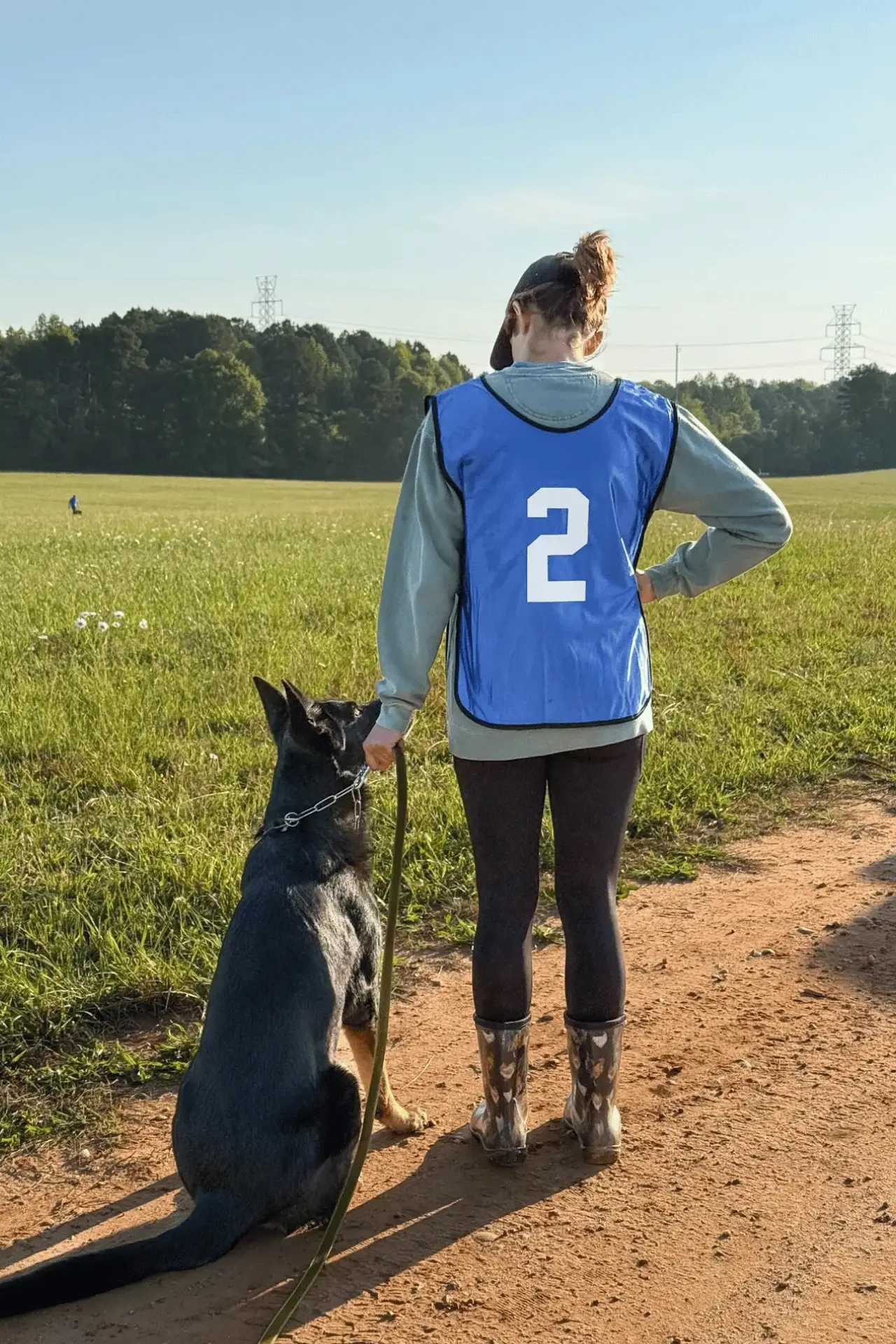
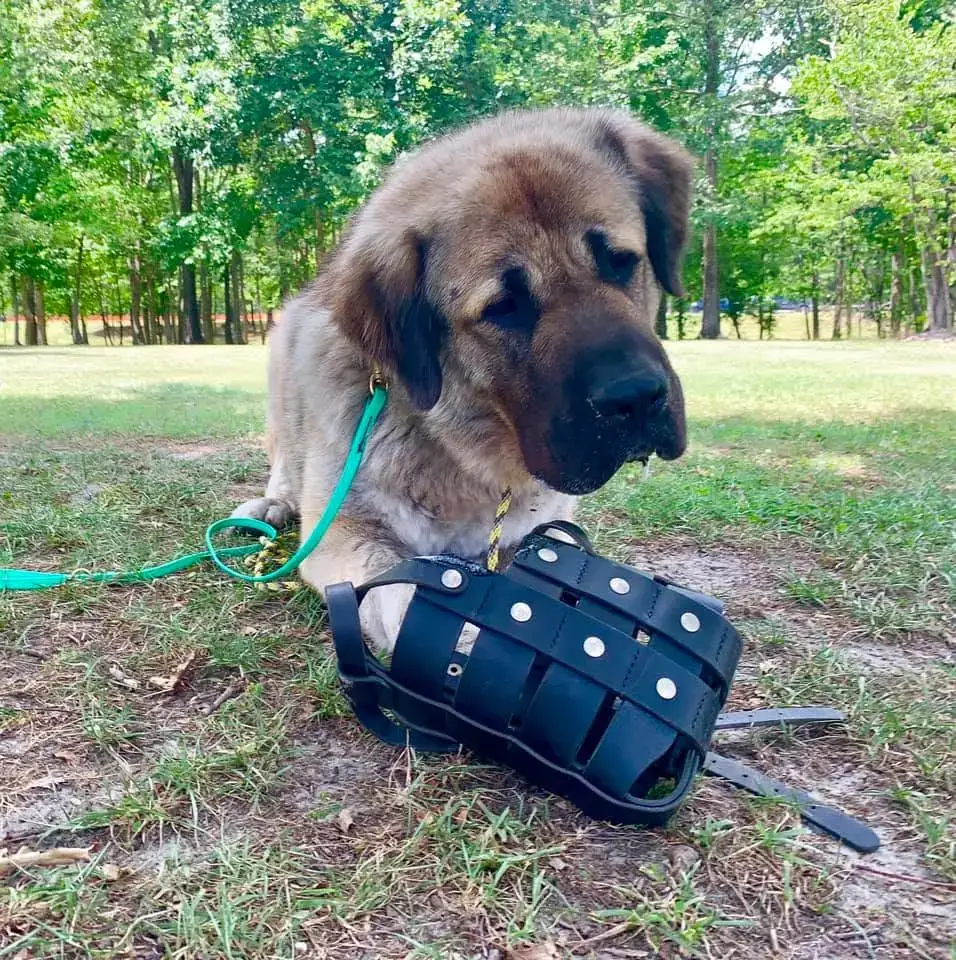
Behavior modification may be appropriate when your dog’s behavior is interfering with everyday life or becoming increasingly difficult to manage. It can be especially useful when basic obedience training has not addressed the underlying issue.
Some signs that your dog may need more specialized support include:
For dogs whose reactions are especially difficult around other dogs, people, or specific environments, WC Dog Training dog reactivity training can provide a more focused approach to understanding and changing those responses.
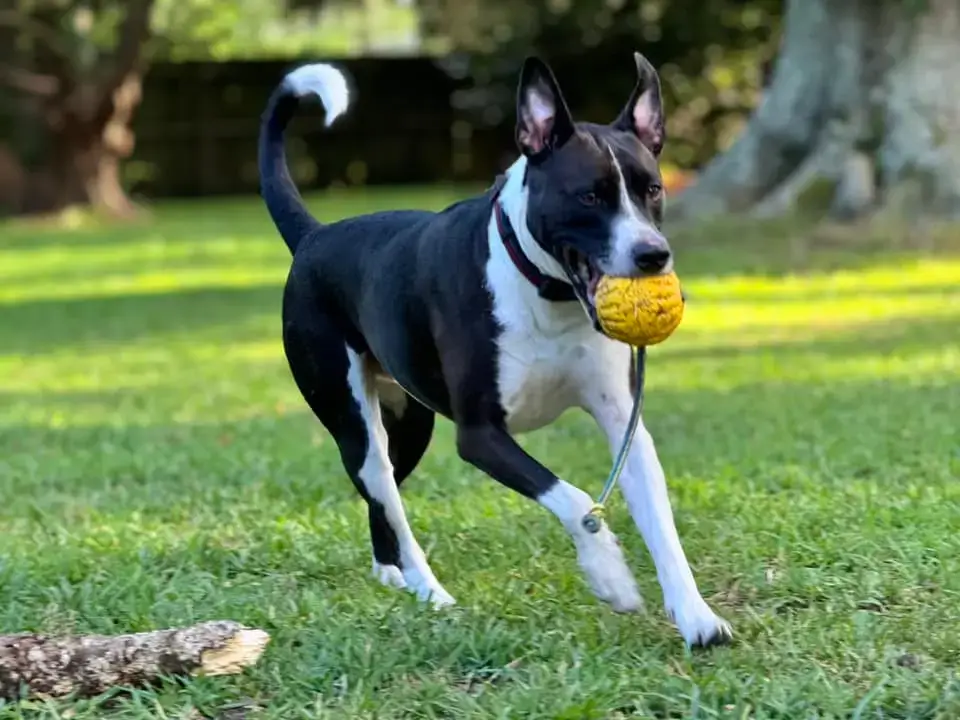
Training does not end when a formal lesson finishes. Most of your dog’s life is spent at home, making daily routines crucial. How you manage their environment, spot early stress signals, and reward good choices directly shapes their long-term growth.
This matters greatly for anxious or fearful dogs. Knowing how to guide them through challenging moments lowers stress and strengthens trust. Proactive management prevents unwanted habits from taking root.
Progress takes consistent time and care. Some shifts happen quickly, while others require steady effort. Regressions are normal and simply point to what needs adjusting.
Progress is rarely immediate or obvious. You might notice your dog recovers faster after a trigger, needs more distance to stay calm, or listens better in tough moments. These subtle shifts prove their emotional state is improving.
Every small victory counts. Behavior modification builds confidence over time, making once-overwhelming situations far easier to handle. As your dog learns, you will also grow more skilled at guiding them.
Real growth takes regular practice. Some milestones arrive fast, while others need patience. Setbacks are not failures; they offer valuable insight into what your dog needs next.



Providing expert dog training that builds obedience, confidence, and a strong bond between you and your dog.

© 2026 Wild Child Dog Training. Professional Dog Training Services. Privacy Policy | Terms and Conditions
© 2026 Wild Child Dog Training. Professional Dog Training Services. Privacy Policy | Terms and Conditions
© 2026 Wild Child Dog Training. Professional Dog Training Services.