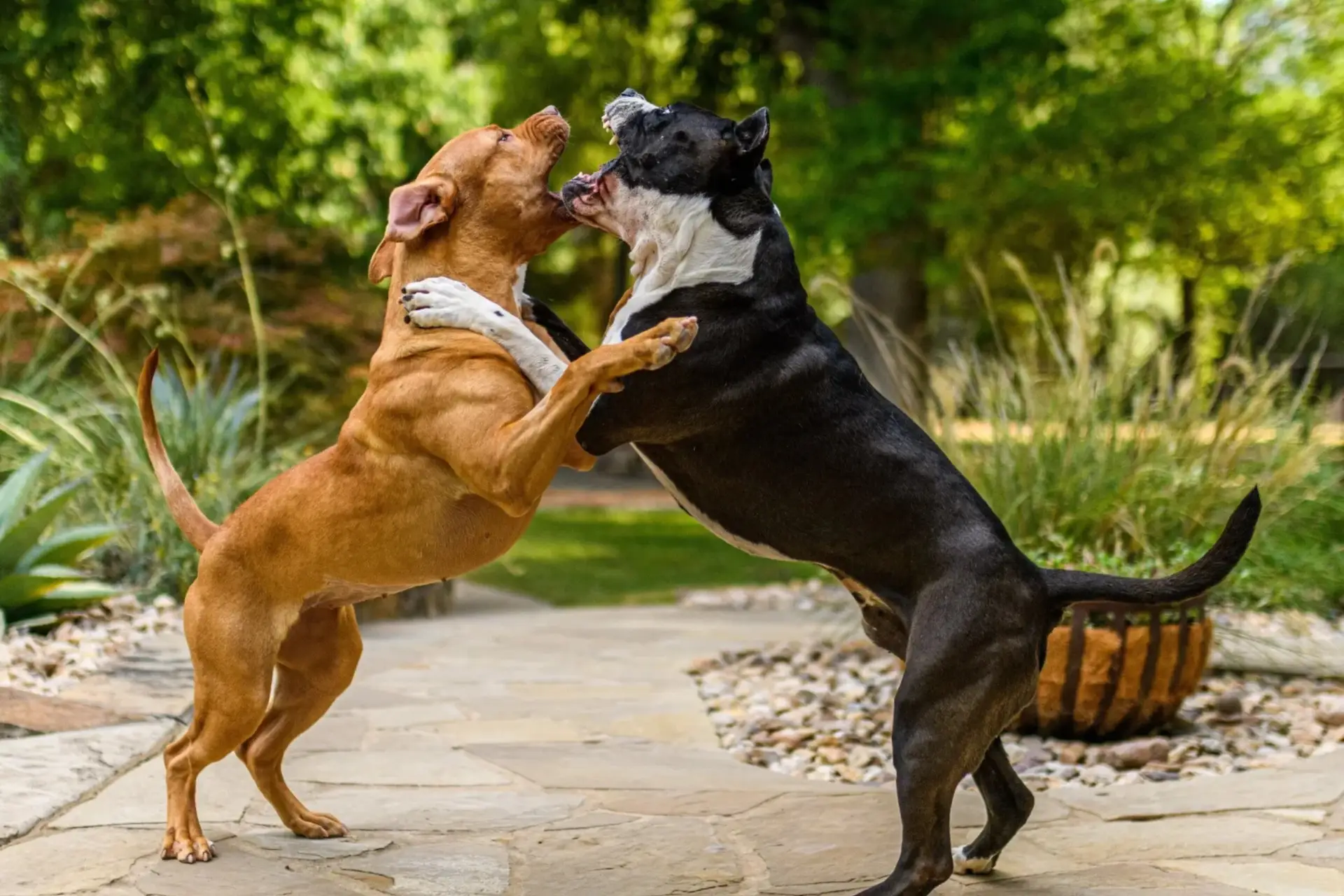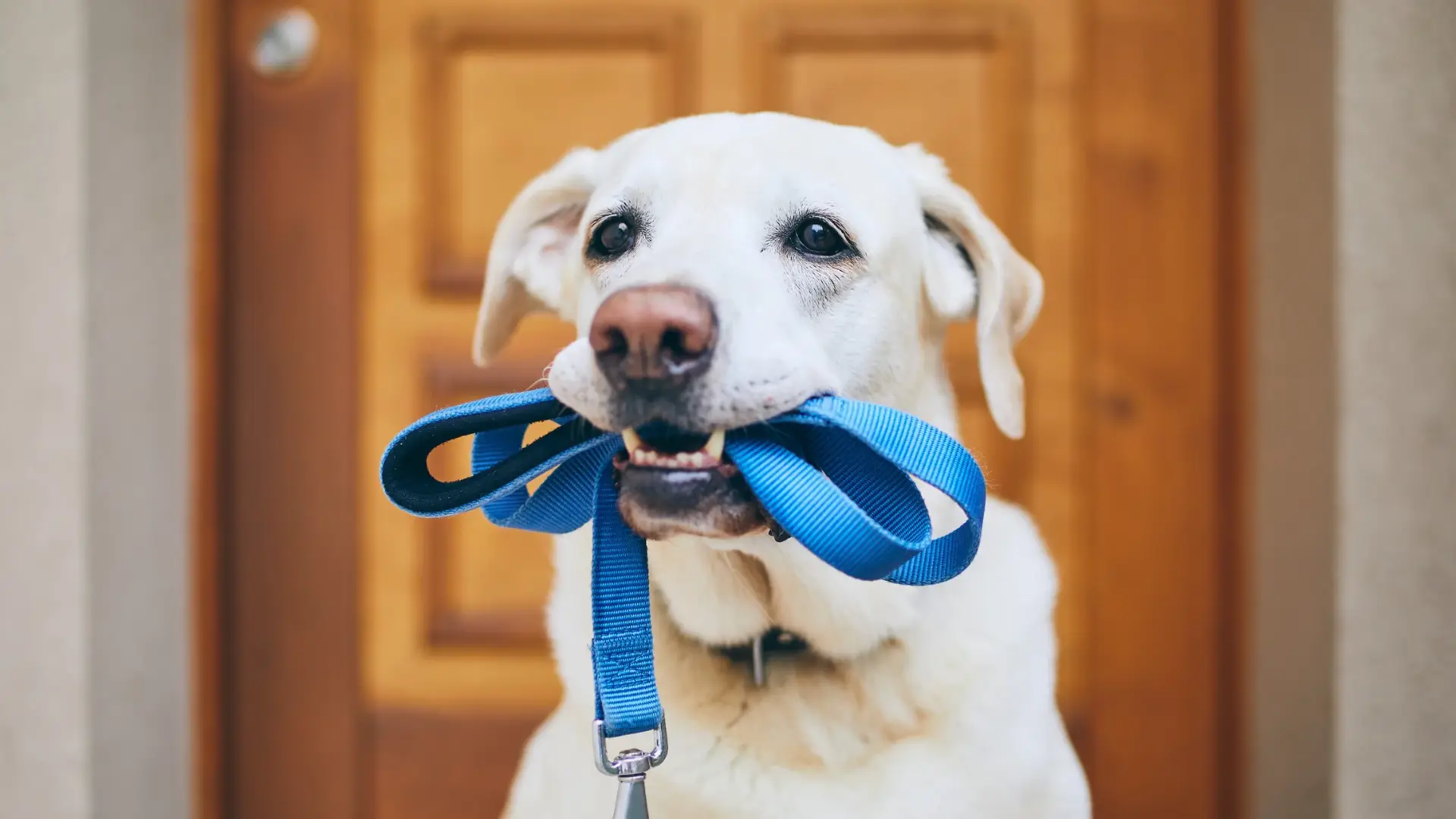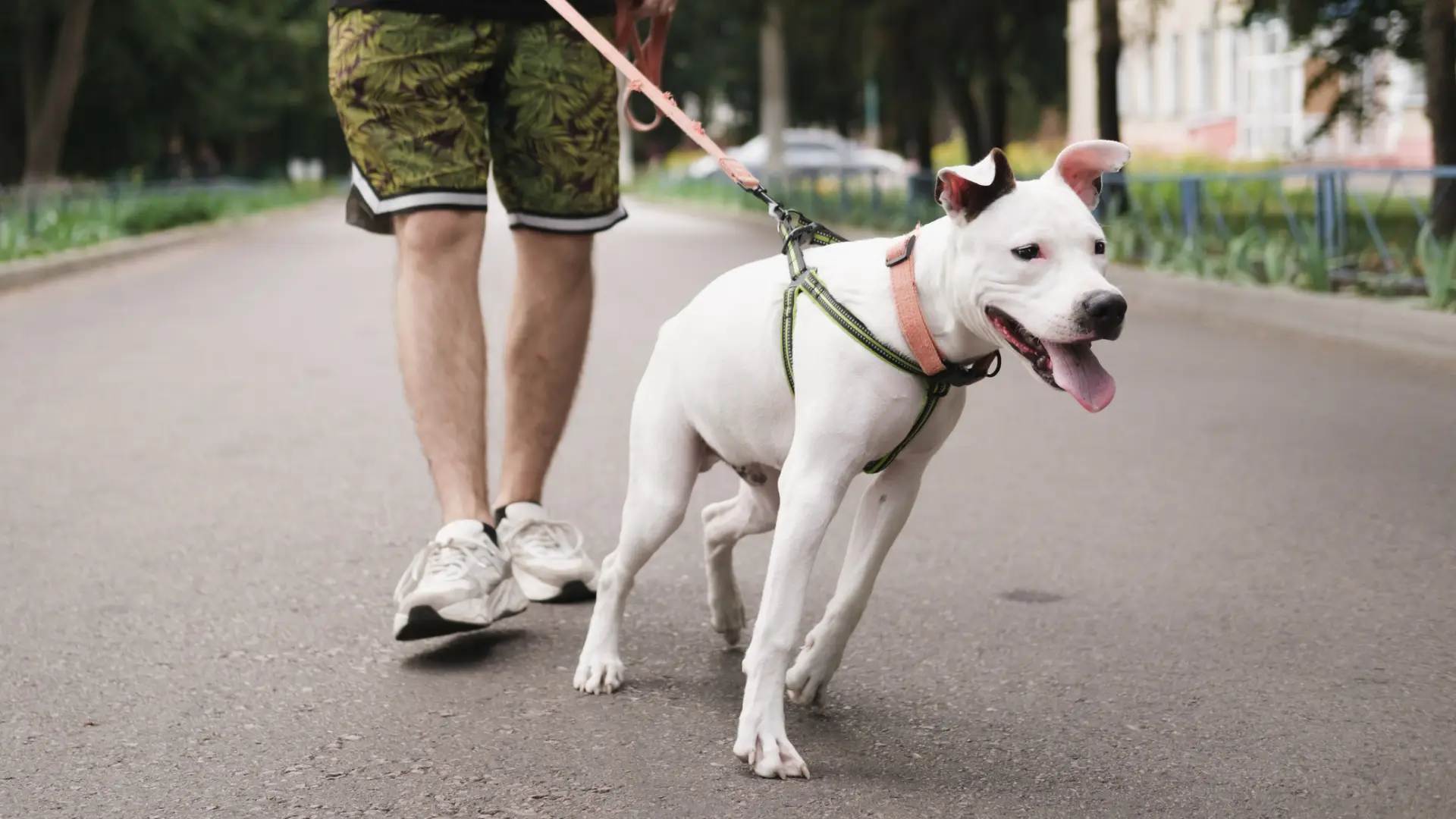
Your dog starts jumping, barking, pulling on the leash, or running around the house, and nothing you say seems to get their attention. Even commands they usually know stop working. What looks like disobedience may actually be overstimulation.
Dogs can become overwhelmed by excitement, noise, unfamiliar environments, or too much activity at once. When that happens, they may struggle to settle down or respond to their owners. Knowing how to calm an overstimulated dog can help you manage these situations without making the behavior worse.
Signs Your Dog Is Overstimulated
Overstimulation happens when dogs’re exposed to more excitement, activity, or sensory input than they can comfortably process. An overstimulated dog may seem unusually energetic, but the behavior can also come from stress, frustration, or fear.
Common signs a dog is overstimulated include:
- Excessive barking or whining: Your dog becomes increasingly vocal and has trouble stopping, even after the initial trigger is gone.
- Jumping or frantic movement: They repeatedly jump on people, run around, or move from one activity to another without settling.
- Mouthing or biting: Your dog begins grabbing hands, clothing, or the leash, especially during play or exciting situations.
- Difficulty following commands: Familiar cues like “sit” or “come” no longer get a response.
- Pulling or lunging on walks: Your dog becomes fixated on people, other dogs, vehicles, or nearby activity.
- Pacing or restlessness: They move around constantly, pant, or struggle to relax even when nothing obvious is happening.
- Changes in body language: A stiff body, wide eyes, pinned-back ears, or an unusually tense posture may indicate that your dog is overwhelmed rather than simply excited.
Not every dog shows the same signs. Some become louder and more active, while others freeze, withdraw, or try to escape.
Watch for changes in your dog’s usual behavior. A dog that suddenly stops responding, becomes unusually tense, or starts reacting more intensely than normal may need a break from what’s happening around them.
What Causes a Dog to Become Overstimulated?
Dogs can get overstimulated when several exciting or stressful experiences happen close together, or when a single situation becomes too intense.
Common causes of dog overstimulation include:
- Busy environments: Crowded sidewalks, dog-friendly events, traffic, and unfamiliar places can expose dogs to too many sights, sounds, and smells.
- Interactions with people or other dogs: Visitors, unfamiliar dogs, and repeated greetings may increase excitement or frustration.
- Intense play: Roughhousing, prolonged fetch sessions, and high-energy games can make it difficult for some dogs to settle afterward.
- Lack of rest: Dogs that haven’t had enough uninterrupted sleep or downtime may become more reactive or easily frustrated.
- Frustration: Being unable to reach another dog, person, or desired object can lead to barking, pulling, and other intense behaviors.
- Fear or uncertainty: A dog that feels uncomfortable around loud noises, unfamiliar people, or unpredictable activity may become overwhelmed.
Overstimulation isn’t always caused by one obvious trigger. A dog might handle a short walk, a visitor, or a play session without difficulty when each happens separately. But after a busy day with little rest, that same dog may struggle with an activity they normally enjoy.
This is why understanding your dog’s triggers and recognizing early changes in behavior are important parts of managing overstimulation.
What to Do When Your Dog Gets Overstimulated
When your dog is already overwhelmed, asking for more obedience or trying to tire them out usually isn’t the best approach. The immediate priority is to reduce what’s happening around them and give them an opportunity to settle.
The following steps can help when you’re trying to calm down an overstimulated dog.
Reduce Noise, Movement, and Other Triggers
Start by identifying what may be contributing to your dog’s behavior. If they’re reacting to visitors, move them to a quieter area. If loud music, children playing, or other pets are adding to the excitement, reduce those distractions where possible.
You don’t need to eliminate every sound or movement. Focus on making the environment less demanding so your dog has fewer things to react to.
For example, if your dog becomes frantic as guests arrive, letting them stay in a separate, comfortable room until the initial activity settles may be more helpful than expecting them to greet everyone immediately.
Give Your Dog Space to Settle
An overstimulated dog may not want to be touched, held, or repeatedly approached. Even well-intentioned attention can add to their frustration.
Give your dog access to a familiar, quiet space where they can move away from activity. This might be a bedroom, a gated area, or a crate they already associate with rest.
Avoid forcing your dog into a confined space if they’re uncomfortable. The purpose is to provide relief from stimulation, not to punish or restrain them.
If your dog is showing signs of fear or aggression, prioritize safety and avoid handling them in ways that could lead to a bite.
Use Calm, Familiar Activities
Once your dog is beginning to relax, a familiar low-energy activity may help them settle further.
Depending on your dog, this could include:
- Sniffing for a few treats scattered in a safe, quiet area.
- Licking a food-filled enrichment toy.
- Chewing an appropriate, familiar chew.
- Resting on a mat or bed where they normally feel comfortable.
Offer these activities only when your dog is relaxed enough to participate safely. A dog that is barking, lunging, or too distressed to eat may need more distance and quiet before they’re ready for anything else.
Avoid turning calming activities into another demanding training session. The point is to give your dog something simple and predictable to do.
Avoid Adding More Excitement
When a dog is bouncing around or barking nonstop, it can be tempting to throw a ball, start playing, or take them on a long run to burn off the extra energy.
However, intense exercise or exciting games can increase arousal rather than help an already overstimulated dog calm down.
Repeatedly raising your voice, giving several commands in a row, or physically trying to control your dog’s movements can also make the situation more stressful.
Keep your own movements and voice calm. Use simple, familiar cues only if your dog is responsive enough to follow them. If they’re ignoring commands they normally understand, reduce the distractions instead of repeating the instructions.
Allow Time for Recovery
Some dogs settle within a few minutes once the excitement stops. Others need more uninterrupted rest, especially after a particularly busy or stressful experience.
Let your dog recover at their own pace rather than immediately returning to the activity that overwhelmed them.
Watch for signs that they’re relaxing, such as softer body language, slower movement, normal breathing, or choosing to lie down.
If your dog regularly takes a long time to recover, consider whether their daily routine includes too many stimulating activities without enough opportunities to rest.
How to Calm an Overstimulated Dog on a Walk
Walks can be especially challenging because you can’t control everything happening around your dog. Passing vehicles, barking dogs, cyclists, unfamiliar people, and crowded sidewalks may all contribute to overstimulation.
When a dog becomes overwhelmed outside, continuing the walk as usual can make the behavior more difficult to manage.
Recognize Early Signs Before Your Dog Reacts
Look for small changes before your dog starts barking, lunging, or pulling intensely.
They may start staring at another dog, walking faster, tensing up, or becoming less responsive to their name.
These changes can signal that your dog is nearing their limit.
If you notice them early, you may be able to adjust your route or create distance before the situation escalates.
Create Distance From the Trigger
If your dog becomes fixated on something, move farther away when it’s safe to do so.
You might cross the street, turn around, step onto a quieter path, or wait in an area with fewer distractions.
Avoid pulling your dog directly toward something they’re reacting to or forcing them to remain close until they calm down.
Distance gives your dog a better chance to recover and makes it easier for them to respond to you.
For dogs that regularly bark, pull, or lunge during walks, practicing leash training in quieter environments can help build better walking habits before introducing more distractions.
Redirect Your Dog Without Forcing Interaction
Once you’ve created enough distance, try a familiar cue or reward your dog for voluntarily checking in with you.
You can also allow a brief sniffing break in a safe area if your dog is comfortable enough to explore.
If they stay tense, refuse food they normally enjoy, or keep reacting intensely, don’t insist on finishing the walk or practicing commands.
Sometimes the most useful decision is to end the walk early and return home.
Over time, shorter walks in quieter locations may help your dog practice staying calm before gradually encountering more challenging environments.
Managing Overstimulation During Everyday Activities
Knowing how to calm an overstimulated dog at home also means recognizing which household activities tend to create problems.
Unlike public walks, home environments give you more opportunities to plan ahead and control your dog’s exposure to excitement.
When visitors arrive: Some dogs become overwhelmed by doorbells, greetings, and multiple people entering at once. Instead of letting your dog rush toward the door, have them settle in a separate area before guests arrive. Once the initial excitement has passed, you can decide whether a calm, controlled introduction is appropriate.
During indoor playtime: Tug, fetch, and other games can be enjoyable, but watch for changes in your dog’s behavior. If they begin grabbing clothing, biting harder, ignoring familiar cues, or becoming increasingly frantic, stop the game before it escalates. Use shorter play sessions with breaks rather than continuing until your dog is exhausted.
In busy or noisy households: Children playing, multiple pets, household appliances, and frequent activity can make it difficult for some dogs to relax. Provide a resting area away from the busiest parts of the home and make sure your dog can spend time there without being disturbed.
These adjustments don’t mean your dog needs to avoid everyday activities. They help you manage how much excitement your dog experiences at once and give them opportunities to recover between activities.
Why Do Some Dogs Bite When Overstimulated?
Some dogs begin mouthing, nipping, or biting when their excitement or frustration becomes difficult to manage. This may happen during play, on walks, or when someone tries to physically interrupt an already overstimulated dog.
For example, a dog that becomes highly excited during tug may start grabbing hands or clothing instead of the toy. Another dog might redirect its frustration toward the leash or a nearby person when prevented from approaching another dog.
However, not every bite has the same cause. Fear, pain, resource guarding, and other behavior concerns can also contribute to biting. Don’t assume a dog bites only because they’re overstimulated.
If your dog begins mouthing during play, stop the activity calmly and create a break before the behavior escalates. Avoid wrestling, grabbing their collar, or using physical corrections that could increase excitement or trigger a defensive response.
If your dog is growling, snapping, lunging, or biting with enough force to cause injury, treat the situation as a safety concern. Avoid repeating the circumstances that trigger the behavior and seek help from a qualified behavior professional. A veterinary evaluation is also important if biting is new or unusual for your dog.
Dogs that react out of fear may need a different approach, since helping a fearful dog involves identifying what makes them uncomfortable and gradually building their confidence rather than forcing them into stressful situations.
How to Prevent Overstimulation in Dogs
Calming an overstimulated dog in the moment is useful, but prevention can make everyday activities easier for both of you.
The most effective approach depends on your dog’s triggers and how quickly their behavior escalates.
Here are several ways to reduce the frequency of overstimulation:
- Build regular rest into the day. Give your dog opportunities for uninterrupted sleep and quiet time, particularly after walks, visitors, or training sessions.
- Adjust the intensity of exercise. Physical activity is important, but more exercise isn’t always the answer. Balance energetic activities with relaxed walks, sniffing, and other lower-intensity experiences.
- Keep exciting activities manageable. Shorter play sessions, fewer greetings, and quieter walking routes may help your dog stay comfortable without becoming overwhelmed.
- Practice calm behavior when your dog is already relaxed. Reward your dog for settling on a mat, resting quietly, or responding to familiar cues in low-distraction environments. Gradually add distractions only when they’re ready.
- Pay attention to patterns. Notice whether overstimulation happens after certain activities, at particular times of day, or around specific triggers. These patterns can help you make changes before problems develop.
Teaching your dog to settle takes practice. Begin in an environment where they can already relax rather than waiting until they’re barking, jumping, or struggling to focus.
As your dog becomes more comfortable, you can gradually practice around mild distractions. The objective is to build skills they can use in everyday situations, not to expect perfect behavior in environments they find overwhelming.
When Can Overstimulated Dog Training Help?
Occasional excitement is normal, and many dogs benefit from simple routine changes. However, professional training may be helpful when overstimulation regularly interferes with walks, visitors, playtime, or other daily activities.
If your dog frequently lunges, bites, becomes difficult to redirect, or takes a long time to settle after an exciting event, it’s worth getting help before the behavior becomes more established.
A trainer can assess what happens before your dog becomes overstimulated, identify patterns in their behavior, and help you develop a plan that fits your dog’s needs.
This is particularly important when overstimulation involves aggression or unsafe interactions with people or other animals. A qualified professional can help determine whether the behavior stems from excitement, fear, frustration, or another underlying concern.
Help Your Dog Build Calmer Habits With Wild Child Dog Training
Living with a dog that becomes overwhelmed during everyday activities can make walks, visitors, and even playtime stressful. You shouldn’t have to guess which situations will cause a reaction or how to respond when your dog becomes difficult to manage.
At Wild Child Dog Training, we work with dogs experiencing reactivity, overstimulation, and other behavior challenges. Our behavior modification training focuses on identifying what’s driving the behavior and helping owners develop practical skills they can use outside of training sessions.
Whether your dog struggles to settle at home, becomes overly excited around other dogs, or reacts intensely on walks, we’re here to help you build a training plan that works for your dog.
Contact Wild Child Dog Training to discuss your dog’s behavior and find out how we can help.