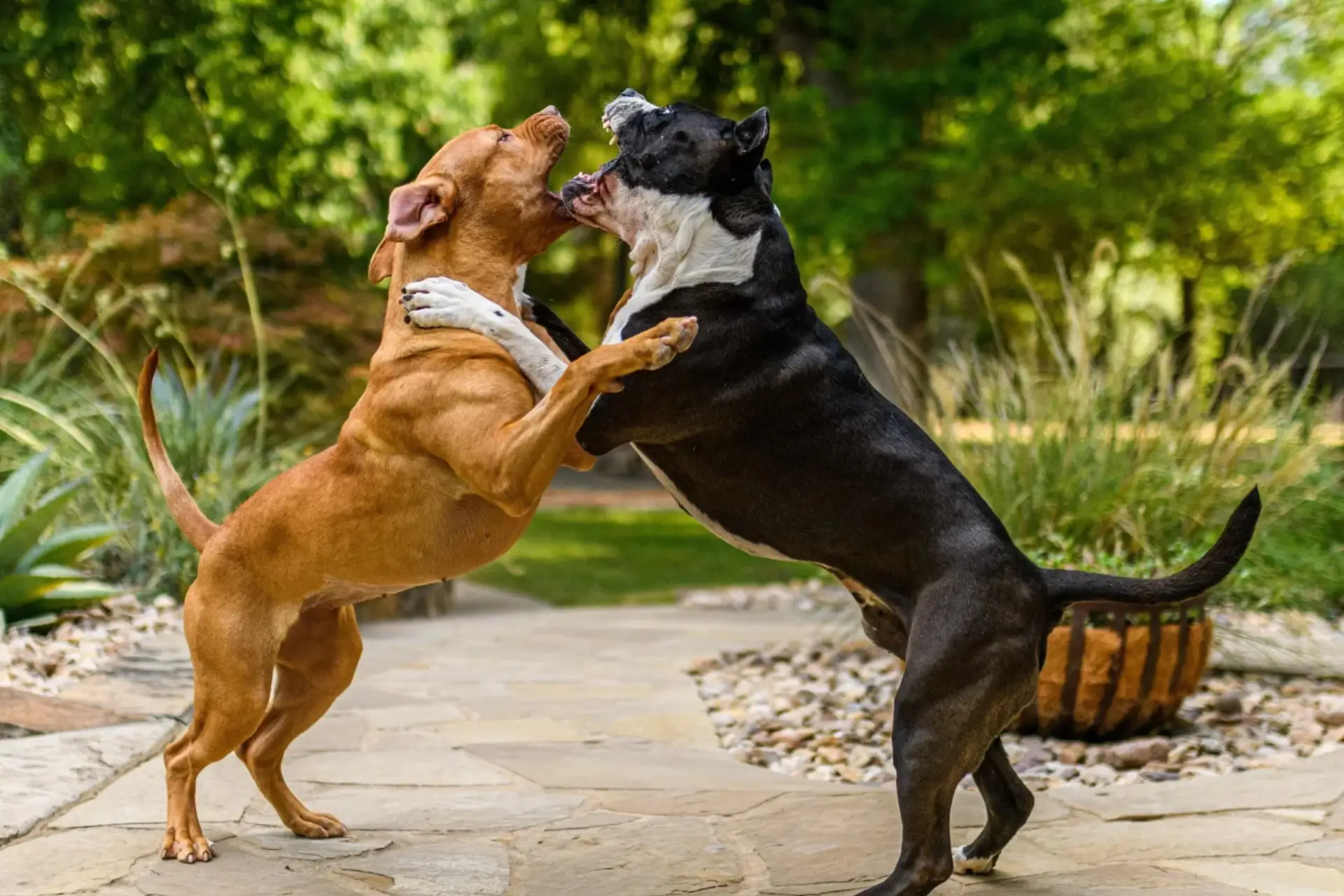
If your dog barks, lunges, growls, or “loses it” on walks, you are not alone. Reactivity is one of the most common behavior challenges dog owners face, and it can feel embarrassing, stressful, and unpredictable. The good news is that reactive dog training is not about “dominating” your dog or forcing them to be calm. It is about understanding what is driving the reaction, changing the emotional response over time, and teaching skills your dog can use instead of exploding.
This guide explains what reactivity is, why it happens, and what a smart training plan looks like. You will get step-by-step training, a practice schedule, troubleshooting tips, and a quick reference table. If you want hands-on help in Onslow County, NC, WC Dog Training can build a custom plan that fits your dog, your triggers, and your daily routine.
Quick answer: What is the fastest way to help a reactive dog?
The fastest progress usually comes from combining three things:
- Management, prevent reactions while you train, distance is your best tool
- Skill building, teach alternative behaviors like “look,” “find it,” and “U-turn.”
- Behavior change: Pair triggers with good things to change how your dog feels
Many dogs show improvement within 2 to 4 weeks when training is consistent, but long-term reliability often takes 2 to 4 months, depending on the dog’s history, genetics, and how often they encounter triggers.
Fast fact: Reactivity is often fear, frustration, or over arousal, not “bad behavior.”
What is a reactive dog, and what reactivity looks like
A reactive dog has an intense response to specific triggers. Triggers can be other dogs, strangers, bikes, cars, kids, or even noises. Reactivity can look like:
- Barking, lunging, growling, snarling
- Spinning, whining, pulling hard toward or away from the trigger
- Freezing, staring, then exploding
- Redirected biting, grabbing the leash, and nipping the handler
- Taking a long time to calm down after the trigger passes
Reactivity is not the same as aggression. Some reactive dogs are fearful and trying to create distance. Others are frustrated greeters who want to say hi but cannot, so they explode. The training plan depends on which one you are dealing with.
Why do dogs become reactive?
Reactivity is usually a combination of genetics, learning history, and environment. Common reasons include:
- Lack of early socialization, or bad experiences during key development periods
- Fear-based responses after being surprised, rushed, or attacked
- Frustration from being restrained on a leash, barrier frustration
- Over arousal, too much stimulation, and not enough recovery
- Pain or discomfort, which can lower tolerance
- Accidental reinforcement, the dog reacts, and the trigger goes away, so the reaction “worked.”
The goal of reactive dog training is to keep your dog under threshold, meaning they can still think and learn, then gradually build new emotional responses and behaviors.
Step by step: reactive dog training plan
Step 1: Identify triggers and your dog’s threshold distance
Start by listing triggers and noting the distance where your dog can still eat treats and respond to you. That is your starting point. If your dog cannot take food, they are likely over threshold, and learning will not happen.
Track:
- Trigger type: dog, person, bike, car, noise
- Distance, how close before your dog reacts
- Intensity, mild whine vs full lunge
- Recovery time, how long to calm down
Step 2: Use management to prevent reactions while you train
Every reaction is a rehearsal. The more your dog practices exploding, the stronger the habit becomes. Management is not a failure; it is part of training.
Management tools:
- Walk during quieter times
- Choose wider routes, avoid narrow sidewalks
- Use parked cars as visual barriers
- Cross the street early
- Use a front clip harness, and avoid equipment that increases frustration
- Consider a basket muzzle for safety when introduced properly
Pro tip: If you can avoid 80 percent of reactions for two weeks, training gets easier fast.
Step 3: Teach emergency skills for real life
Reactive dog training needs “in-the-moment” tools. These skills help you move away from triggers and keep your dog engaged.
Teach these three first:
- “U turn,” turn and move away quickly, reward as you go
- “Find it,” toss treats on the ground to shift focus and lower arousal
- “Look,” reward eye contact so your dog checks in with you
Practice these skills at home and in low distraction areas before using them around triggers.
Step 4: Start counterconditioning, change the emotional response
Counterconditioning means the trigger predicts something good. Your dog sees a trigger at a safe distance, then gets high-value treats. Over time, the trigger becomes less scary or less frustrating.
How to do it:
- Start far enough away that your dog stays calm
- The moment your dog notices the trigger, feed treats
- When the trigger disappears, treats stop
- Repeat many times over days and weeks
- Gradually decrease the distance only when your dog stays relaxed
This is the heart of behavior change. You are not just teaching obedience, you are changing feelings.
Step 5: Add pattern games and structured walking
Pattern games give your dog predictability, which reduces stress. They also help your dog stay engaged with you.
Simple patterns:
- 1, 2, 3 treat, feed every third step
- Up down, treat from hand to ground, repeat
- Treat magnet, short bursts of close walking with frequent rewards
Structured walking is not about strictly heel all the time. It is about having a default plan when the environment is challenging.
Step 6: Gradually proof around triggers
Once your dog can stay under threshold at a distance, you can slowly increase difficulty:
- Move closer by 5 to 10 feet at a time
- Increase trigger intensity, moving dogs, louder environments
- Add duration, longer exposures without reactions
- Practice in new locations so skills generalize
If your dog reacts, you went too fast. Increase the distance and return to an easier step.
Training schedule: a simple weekly plan
Week 1: Reset and skills
- Reduce trigger exposure as much as possible
- Teach u turn, find it, look in calm areas
- Short sessions, 5 to 10 minutes, 1 to 2 times per day
Week 2: Controlled exposures at a safe distance
- 3 to 5 short training walks per week
- Work at a distance where your dog can stay calm
- Pair triggers with high-value treats
Week 3 and beyond: Build reliability
- Gradually reduce the distance
- Add new environments
- Reduce treats slowly, keep rewards unpredictable
- Continue management for surprise triggers
Quick reference table: what to do in common reactive dog situations
| Scenario | What to do | Why it works |
|---|---|---|
| Surprise dog around a corner | U turn + treat scatter | Creates distance fast, lowers arousal |
| The dog stares and freezes | Increase distance early, find it | Prevents the explosion |
| Barking and lunging start | Move away, do not correct, reset | Keeps the dog under the threshold |
| Reactivity in the yard | Use barriers, practice pattern games | Reduces rehearsal at home |
| The dog reacts only on leash | Practice calm exposures, build skills | Leash frustration is common |
Troubleshooting: Why is it not working yet
“My dog will not take treats around triggers.”
You are too close. Increase the distance until your dog can eat. Use higher value treats, and keep sessions short so your dog does not get overwhelmed.
“My dog is reactive only with certain dogs or people.”
That is normal. Reactivity is often context-specific. Track patterns, like dogs that stare, people with hats, runners, and start training with easier triggers first.
“My dog is getting worse.”
This can happen if your dog is still being exposed to triggers too often. Tighten management, reduce walks in busy areas, and focus on skill building and controlled exposures.
Need help with reactive dog training?
If you are dealing with barking, lunging, or intense reactions on walks, WC Dog Training can help. We provide reactive dog training in Onslow County, NC, with a clear plan that focuses on safety, confidence building, and real-world results. Contact WC Dog Training today to schedule an evaluation and start building calmer walks and better control!