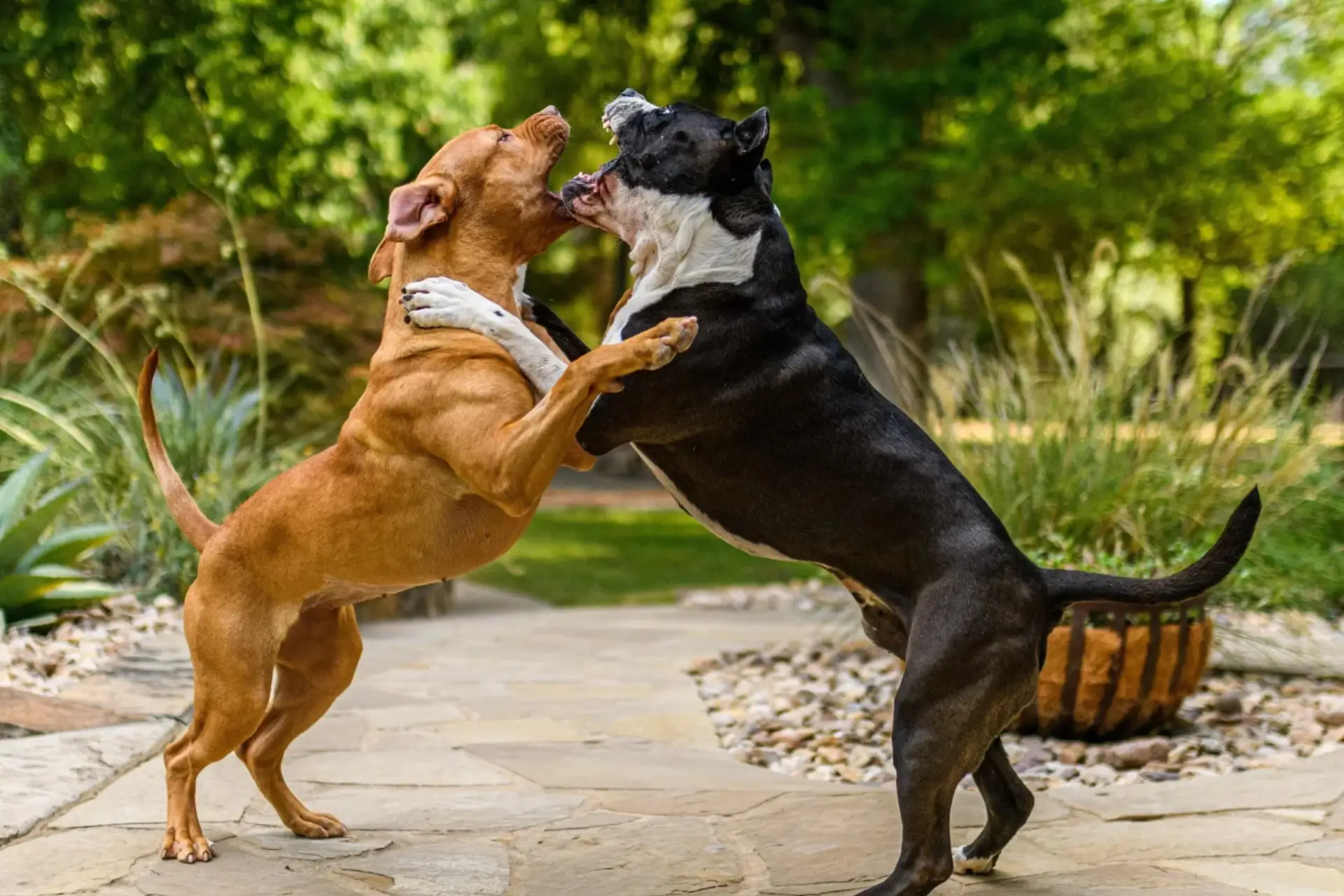
Jumping is one of the most common dog behavior complaints, and it’s also one of the most fixable. Most dogs jump because it works: it gets attention, gets people to talk, and sometimes even gets petting. The goal isn’t to “stop your dog from being excited.” The goal is to teach a clear, repeatable alternative behavior (like sitting or going to a mat) that your dog can do instead of jumping, even when guests walk in.
This guide explains how to train your dog not to jump up on people using a simple plan you can start today. You’ll get step-by-step training, a practice schedule, troubleshooting tips, and a quick reference table. If you want hands-on help in Onslow County, NC, WC Dog Training can build a custom plan that fits your dog’s temperament and your household routine.
Quick answer: What’s the fastest way to stop jumping?
The fastest results come from combining three things:
- Management: prevent jumping practice (leash, gates, distance)
- Training: teach a replacement behavior (sit, four-on-the-floor, place)
- Consistency: everyone responds the same way every time
When house training an adult dog correctly, most dogs improve in 7–14 days with consistent practice, but reliable greeting manners typically take 3–6 weeks, depending on the dog’s excitement level and how often they get to rehearse jumping.
Fast fact: Dogs repeat behaviors that get rewarded. Even “No! Stop!” can be rewarding if your dog loves attention.
Why dogs jump up (and why it keeps happening)
Jumping is normal dog behavior. Dogs greet face-to-face, and jumping gets them closer to your hands and face. It also often gets a reaction when talking, pushing, laughing, or petting, which can reinforce the behavior.
Common reasons jumping continues:
- Some people pet the dog while they’re jumping (“It’s fine!”)
- The dog only practices with guests (harder, more exciting)
- The dog is under-exercised or over-aroused
- The dog doesn’t know what to do instead
The fix is to make jumping boring and unrewarding while making calm greetings easy and rewarding.
Step-by-step: how to train your dog not to jump up on people
Step 1: Pick the rule (and make it household-wide)
Choose one clear rule:
- Rule A: “Four paws on the floor gets attention.”
- Rule B: “Sit to say hi.”
- Rule C: “Go to the place (mat/bed) when someone enters.”
Any of these can work. The key is that everyone follows the same rule every time.
Step 2: Teach the replacement behavior without guests first
Start in a low-distraction setting so your dog can succeed.
Option 1: Teach “Sit to greet.”
- Ask for a seat.
- Mark/reward (treat or calm praise).
- Reach to pet only while the dog stays seated.
- If the dog pops up, remove attention and reset.
Option 2: Teach “Place” (go to a mat/bed)
- Lure your dog onto the mat.
- Reward on the mat.
- Add the cue “Place.”
- Build duration (5 seconds → 10 → 30 → 60).
- Practice with you walking away and coming back.
Pro tip: “Place” is often the best choice for dogs who get overly excited at doors.
Step 3: Add controlled practice (the “fake guest” drill)
You don’t need real guests to train this; you need repetition.
Setup:
- Dog on leash (or behind a gate)
- Treats ready
- A helper acts like a guest
Practice:
- The helper approaches the door.
- If your dog stays calm/sits/goes to place → reward.
- If your dog jumps → helper turns away and leaves (no attention).
- Reset and repeat.
Do 5–10 short reps. Keep sessions under 10 minutes so your dog doesn’t get overstimulated.
Step 4: Use management for real-life situations (so training sticks)
Training fails when dogs keep practicing the old behavior. Use management tools while you train:
- Keep a leash by the door
- Use baby gates to create distance
- Have your dog on “place” before opening the door
- Ask guests to ignore jumping (no eye contact, no talking, no touching)
Fast fact: Every successful jump is like a “paid rehearsal” for the behavior you’re trying to stop.
What to do when your dog jumps (exactly)
Here’s the cleanest, most consistent response:
The “boring” response (works for most dogs)
- Turn your body away
- Fold arms
- No talking, no pushing, no eye contact
- The moment four paws are on the floor → reward attention
If the dog is too excited to think
- Step behind a gate or close the door for 5–10 seconds
- Reset and try again
- Reward calm behavior immediately
Avoid: kneeing the dog, yelling, or pushing them down. It can increase excitement, create fear, or turn into a game.
Training schedule (simple weekly plan)
Use this schedule to build reliability:
Week 1: Foundation
- 1–2 sessions per day (5–10 minutes)
- Practice sitting/placing with you as the “guest.”
- Add door sounds (knocking, doorbell audio)
Week 2: Controlled greetings
- 3–5 “fake guest” reps per day
- Increase excitement gradually (helper talks, wears a hat, carries a bag)
Week 3+: Real guests + real-life proofing
- Use leash/gate management
- Reward calm greetings
- Reduce treats slowly, keep praise, and occasional rewards
Quick reference table: what to do in common scenarios
| Scenario | What to Do | Why It Works |
|---|---|---|
| The dog jumps when you come home | Ignore → ask for sit → reward | Teaches calm greeting routine |
| The dog jumps on the guests at the door | Leash + “place” before opening | Prevents rehearsal of jumping |
| The dog jumps on the kids | Separate with gate + train “place.” | Safety + consistency |
| The dog jumps on walks | Stop moving + reward four paws down | Removes the reward of forward motion |
| The dog jumps for attention | Only reward calm behavior | Attention becomes the reward for calm |
Troubleshooting: why it’s not working yet
“My dog only jumps on certain people.”
Those people may be accidentally rewarding jumping (talking, petting, laughing). Give them one clear instruction: ignore until four paws are down.
“My dog jumps even when ignored.”
Use distance and management. Put the dog on a leash, step on the leash to limit jumping height, and reward calm behavior quickly.
“My dog jumps and mouths at the same time.”
That’s often over-arousal. You’ll need:
- More structured exercise
- Shorter greeting routines
- “Place” training
- Possibly professional support if it’s intense
Need help with your dog if they jump on people?
If you want a clear plan that works in real life (not just in your living room), call WC Dog Training. We’ll help you train your dog not to jump up on people in Onslow County, NC, with a step-by-step approach so greetings are calm, guests feel comfortable, and your dog learns exactly what to do instead. Contact us today!