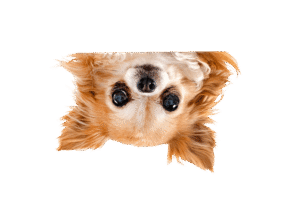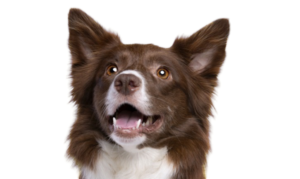
At Wild Child Dog Training, we understand that motivation is the driving force behind learning. Every dog, whether a cuddly Maltese or an energetic Border Collie, has unique triggers that make them eager to learn. Discovering that spark can unlock endless training possibilities.
Understanding Motivation
Motivation is essentially what a dog values enough to perform a behavior for. Common motivators include food, toys, play, movement, access to desirable things, attention, and even the avoidance of discomfort. However, not all dogs are motivated by the same things, and different breeds often have their own tendencies.
Breed Tendencies
While these tendencies aren’t strict rules, they can provide a useful starting point. Sporting breeds like Labradors and Golden Retrievers are typically motivated by food and social interactions, making treats and praise effective. Herding breeds such as Border Collies thrive on movement and task-focused rewards, enjoying game-like drills. Terriers are play and hunt-motivated, responding well to short, intense sessions with interactive toys. Scent hounds, including Beagles, are driven by their keen sense of smell and food, making nose work and food puzzles ideal. Working breeds, like German Shepherds, excel with structured tasks and high-value rewards. Toy breeds often respond well to praise and small treats due to their people-focused nature. Sighthounds may not be as food-driven, so using chase games and praise works best. For mixed breeds, a little observation can help determine their unique combination of motivators.
Discovering a Dog’s Motivators
To uncover what drives your dog, try quick reward tests with small treats, favorite toys, or praise to see what they consistently choose. Assess their motivation by observing how energetically and willingly they engage. Keeping records of which rewards maintain their focus can be invaluable.
Applying Motivation to Teach New Behaviors
-
Start with High-Value Rewards: When introducing a new cue, use your dog’s top motivator to facilitate quick learning.
-
Break Behaviors into Small Steps (Shaping): Reward incremental progress, making steps smaller for shy or easily distracted dogs.
-
Keep Sessions Short and Frequent: Several 3–10 minute sessions daily are more effective than one long session.
-
Use Variable Reinforcement: Once a behavior is reliable, mix high-value, low-value, and no reward to build persistence.
-
Transition to Real-Life Rewards: Gradually replace treats with life rewards like playtime or access to the outdoors.
-
Proof the Behavior: Practice under different distractions and locations, increasing difficulty gradually.
-
Match the Reward to the Task: For a working Border Collie, use quick tug games; for a Labrador, a high-value treat or enthusiastic praise.
-
Manage Motivation Levels: High-drive breeds may need calming before complex tasks, while low-drive dogs might require higher-value rewards.
-
Avoid Over-Reliance on One Motivator: Using only the highest-value treat can limit flexibility, so train with multiple motivators.
Examples
-
For a shy Corgi learning “touch,” start with tiny treats and slow approaches, rewarding any nose interest, and gradually shape to a full touch.
-
To teach recall to a Beagle, pair it with high-value treats and game-based releases, adding distance and mild distractions over time.
-
When teaching loose-leash walking to a Malinois, use toy-play rewards like short tug sessions to encourage focus and good behavior.
Common Pitfalls
Avoid inconsistent rewards, as they can confuse your dog. Train when your dog is in an optimal energy state, not when they’re satiated or overstimulated.
Quick Checklist to Maximize Motivation
-
Identify your dog’s top two motivators.
-
Use the highest-value motivator for new behaviors.
-
Shape behaviors with small steps and short sessions.
-
Transition to real-life rewards and proof behaviors.
-
Adjust for breed tendencies but focus on the individual dog.
At Wild Child Dog Training, we create motivation-driven plans tailored to each dog’s personality and breed tendencies. Ready to uncover your dog’s motivators or build a training plan? Book a session with us and let’s ignite that spark!